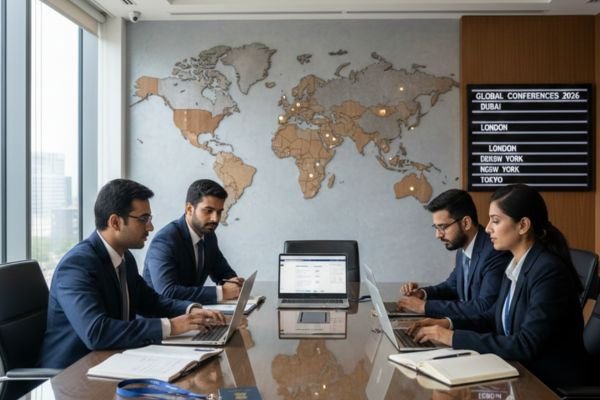
Business team planning MICE travel with laptops, itineraries, and conference materials in a corporate meeting room

How MICE Travel Planning Helps Companies Save Time and Costs

Corporate travel today is no longer just about booking flights and hotels. When companies plan meetings, conferences, incentive trips, or exhibitions at scale, efficiency matters as much as experience. That’s exactly where MICE travel planning makes a real difference.

For Indian companies expanding across cities and borders, structured MICE planning isn’t a luxury. It’s a cost-control and time-saving tool that keeps teams focused on business outcomes instead of logistics.

Let’s break down how it works and why it delivers measurable value.

Understanding MICE Travel Planning in Practice

Before getting into the benefits, it helps to understand what MICE travel planning actually involves. MICE stands for Meetings, Incentives, Conferences, and Exhibitions. Planning for these requires coordination across multiple moving parts: travel, accommodation, venues, vendors, schedules, and on-ground execution.

If you’re new to the concept, this foundational guide on what MICE travel is and why companies use it explains how MICE differ from regular corporate travel and why structured planning matters.

Centralized Planning Reduces Wasted Time

One of the biggest advantages of MICE travel planning is centralization.

Without a structured approach, companies often deal with:

  • Multiple vendors working independently
  • Last-minute changes handled reactively
  • Repeated approvals and miscommunication

MICE planners bring everything under one umbrella. Flights, hotels, transfers, venues, and event schedules are coordinated through a single planning workflow. What this really means is fewer internal emails, fewer follow-ups, and faster decision-making.

Teams stop firefighting and start executing.

Smarter Budget Control and Cost Predictability

Unplanned costs are the silent budget killers in corporate travel.

MICE travel planning helps companies control expenses by:

  • Locking negotiated group rates for flights and hotels
  • Avoiding peak pricing through season-aware planning
  • Reducing penalties caused by last-minute changes

Instead of fragmented bookings, companies get a consolidated cost structure. Every expense is mapped early, making budgets predictable and easier to justify internally.

This is especially important for incentive trips and conferences where per-head costs need to stay within defined limits.

Optimized Itineraries Improve Productivity

Time is money, especially when senior leadership or large teams are travelling.

Poorly planned MICE travel often leads to:

  • Long layovers
  • Hotels far from venues
  • Fatigue-heavy schedules

Professional MICE travel planning focuses on efficiency. Flights are selected for practical timings, hotels are chosen based on proximity, and daily schedules are balanced to reduce burnout.

The result is simple. Employees stay focused, meetings run on time, and productivity doesn’t dip just because the event is offsite.

Vendor Coordination Reduces Operational Risk

Events rarely fail because of one big mistake. They fail because of small gaps piling up.

MICE planners coordinate with:

  • Venue teams
  • AV and technical partners
  • Transport providers
  • Local vendors

This coordination ensures that everyone works on the same timeline and meets the same expectations. If something changes, adjustments are made quietly without disrupting the event flow.

For companies, this removes operational risk and reduces dependency on internal teams to manage last-minute issues.

On-Ground Support Prevents Costly Disruptions

No matter how well you plan, travel comes with variables. Weather delays, flight changes, or venue adjustments are part of the reality.

MICE travel planning includes on-ground support to handle these situations in real time. Instead of employees scrambling for solutions, planners manage alternatives, rescheduling, and coordination.

This saves not just money, but reputation. Clients, partners, and delegates experience a smooth event even when behind-the-scenes adjustments are happening.

Scalability for Growing Companies

As companies grow, their travel needs become more complex. What worked for a 10-member offsite doesn’t work for a 200-delegate conference.

MICE travel planning scales with business growth. Processes become standardized, vendor networks improve, and execution becomes more refined with each event.

For organizations running frequent meetings, product launches, or exhibitions, this consistency leads to long-term savings and better brand perception.

Strategic Planning Supports Business Objectives

MICE travel planning isn’t just about logistics. It aligns travel with business goals.

Whether the objective is:

  • Team motivation through incentive travel
  • Lead generation at exhibitions
  • Brand positioning through conferences

Planners design travel and event structures that support these outcomes. Every decision, from destination selection to agenda pacing, is made with purpose.

For companies looking for structured execution across domestic and international destinations, Travelexie’s MICE corporate travel services focus on managing planning, coordination, and execution without adding operational stress to internal teams.

Final Thoughts

MICE travel planning helps companies save time and costs by reducing complexity and eliminating inefficiencies. More importantly, it allows businesses to focus on what actually matters: relationships, results, and growth.

Instead of treating corporate travel as an expense, MICE planning turns it into a strategic investment. Done right, it pays for itself through better execution, controlled budgets, and stronger outcomes.

If corporate travel is becoming frequent or increasingly complex, structured MICE planning isn’t optional anymore. It’s the smarter way forward. 🚀
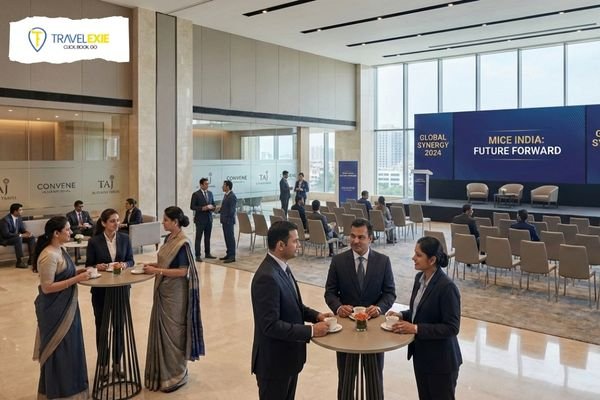

MICE travel in India showing corporate meetings, conferences, and incentive travel planning for business events

What Is MICE Travel and Why Indian Companies Use It

Corporate travel is no longer limited to flights and hotel bookings. Indian companies today are using travel as a strategic tool for business growth, employee engagement, and brand positioning. This is where MICE travel comes in.

What is the Meaning of MICE?

MICE stands for Meetings, Incentives, Conferences, and Exhibitions. It refers to professionally planned business travel that goes beyond routine corporate trips.

Each component serves a different purpose:

  • Meetings: Internal discussions, strategy sessions, or leadership meetings held outside the office environment
  • Incentives: Reward-based travel programs designed to motivate employees or partners
  • Conferences: Large-scale gatherings focused on knowledge sharing, networking, or industry updates
  • Exhibitions: Trade shows and expos where companies showcase products or connect with markets

It’s a combination of logistics, planning, and experience management into a single structured approach.

Why MICE Tourism is Growing in India

Indian businesses are expanding faster and competing globally. As a result, traditional travel planning no longer meets corporate needs.

MICE tourism is growing because it offers:

  • Better control over large group travel
  • Consistent brand experience across events
  • Structured planning for complex itineraries
  • Measurable business outcomes

From startups to large enterprises, Indian companies are adopting it as a long-term strategy.

Key Reasons Indian Companies Use MICE Travel

1. Stronger Team Engagement

Incentive travel and offsite meetings help teams reconnect beyond daily work routines. Well-planned MICE trips improve morale, collaboration, and retention.

2. Better Business Networking

Conferences and exhibitions create direct access to industry peers, partners, and potential clients. This face-to-face interaction often delivers better results than digital communication alone.

3. Efficient Event Management

MICE travel consolidates flights, hotels, transfers, venues, and schedules under one plan. This reduces confusion and ensures smoother execution.

4. Global Brand Presence

Participating in international exhibitions or hosting overseas conferences helps Indian companies establish credibility in global markets.

MICE Travel vs Regular Corporate Travel

While regular corporate travel focuses on individual trips, MICE travel is designed for group-based, goal-driven experiences.

Key differences include:

  • Centralised planning instead of individual bookings
  • Event-focused itineraries rather than point-to-point travel
  • Budget optimisation across large groups
  • Professional coordination at every stage

This makes MICE travel more suitable for complex corporate objectives.

Popular MICE Destinations for Indian Companies

Indian companies commonly choose:

  • Southeast Asia for incentive travel
  • Europe for conferences and exhibitions
  • Middle East for corporate meetings and expos

The choice depends on visa ease, connectivity, cost, and business relevance.

The Role of a MICE Travel Partner

Managing MICE travel requires expertise and local coordination, which is why many organizations work with specialists who handle end-to-end planning through dedicated MICE travel services, covering everything from destination selection and budgeting to on-ground execution.

A professional travel partner typically supports:

  • Destination planning and budgeting
  • Visa and documentation assistance
  • Forex and travel insurance coordination
  • On-ground logistics and vendor management

This allows companies to focus on business goals while travel execution is managed professionally.

Final Thoughts

MICE travel is no longer optional for growing Indian companies. It has become a strategic tool for engagement, branding, and expansion.

When planned correctly, MICE travel delivers measurable value beyond travel itself. It creates experiences that support business goals and long-term growth.

FAQ

Q1. What does MICE stand for in travel?

MICE stands for Meetings, Incentives, Conferences, and Exhibitions. It refers to structured business travel designed for corporate events, group meetings, and professional gatherings.

Q2. What is the difference between MICE travel and corporate travel?

Corporate travel focuses on individual business trips, while MICE travel is designed for group-based, goal-driven events like conferences, exhibitions, and incentive programmes.

Q3. Is MICE tourism only for large companies?

No. Startups, mid-sized firms, and large enterprises all use MICE tours based on their business needs, team size, and event objectives.


Indian corporate team discussing business travel plans in a modern office meeting room

Corporate Travel Packages for Indian Companies: What to Look For

The best corporate travel packages in 2025 combine full-service planning, robust visa and forex support, destination expertise, tech-enabled tracking, and on-the-ground safety. What this really means is you should pick a partner who handles everything from itinerary design and compliance to emergency support. Hence your teams travel smoothly, spend smarter, and perform better.

Cost control without compromising experience

Cost optimization is smarter planning, not stripped-down services. Good packages come with negotiated corporate rates, flexible booking terms, and spend-tracking tools. They let finance teams see where money is going, identify avoidable expenses, and renegotiate terms for recurring routes. The result: predictable budgets and fewer surprise charges.

Destination expertise and local readiness

If your travel partner knows the destination, your teams avoid common mistakes. Destination expertise includes local supplier networks, safe neighborhood advice, culturally appropriate meeting recommendations, and contingency plans. Travelexie’s international holiday packages showcase what deep destination knowledge looks like, and the same approach applies to business travel: detail matters.

Tailored itineraries for MICE and team travel

Every trip has intent. Sales visits, training cohorts, leadership retreats, and trade fairs need different rhythms and support. A high-quality corporate travel package designs itineraries with meeting-ready hotels, reliable Wi-Fi, group transport, and vendor coordination. For teams attending expos, this is the difference between a productive trip and a logistical headache.

Safety, insurance, and on-trip support

Safety on the road isn’t something you can compromise on, and that’s why a dependable corporate travel package should offer clear emergency procedures and easy access to travel insurance. If something unexpected happens, quick coordination with on-ground teams helps travellers stay protected and keeps the trip running without major disruption.

Forex and payment workflows

International trips get messy without predictable forex solutions. A good package provides forex advisory, preloaded travel cards, and consolidated invoicing. Finance teams should be able to reconcile transactions quickly and avoid small currency surprises that add up.

Why this matters now

Business travel is no longer just moving people from A to B. It’s an investment in client relationships, sales momentum, and employee experience. Choosing the right corporate travel package directly affects cost control, risk management, and productivity. For Indian companies expanding internationally or running MICE programmes, the difference between a mediocre package and a well-designed one shows up in delays, hidden costs, and how prepared your people feel on arrival.

How to evaluate partners quickly

Ask for recent corporate references and a sample itinerary for a trip like yours. Request a breakdown of services included versus optional add-ons, and test their responsiveness before you sign. If you need MICE-level support, check sample case studies in the MICE travel solutions section to confirm they’ve executed similar events successfully. Also, review travel insights and trends to see if the partner adapts to shifting rules and markets; Travelexie’s travel insights page is a useful reference for current behaviour and expectations.

Pick a partner who removes friction

Here’s the thing: the value of a corporate travel package shows up in less wasted time, cleaner budgets, and better on-ground outcomes. For Indian companies, that means choosing a travel partner who blends operational depth, compliance strength, destination knowledge, and tech-enabled visibility. When those pieces come together, travel stops being a problem and starts being a business enabler.

FAQ 💭

Q1. What should a good corporate travel package include?

A reliable package covers flights, hotels, local transfers, visa support, forex assistance, itinerary planning, and round-the-clock help. Companies also expect clear billing and smooth coordination across teams.

Q2. How do corporate travel packages help companies save money?

Smart packages use negotiated airline and hotel rates, flexible booking windows, and expense tracking. This keeps budgets predictable and reduces unnecessary last-minute spending.

Q3. Do Indian companies need visa support as part of their travel package?

Yes. Visa guidance, document checks, and appointment booking reduce delays and lower the stress on HR teams. It’s especially important for conferences, expos, and multi-country trips.

Q4. What makes MICE travel different from regular business travel?

MICE travel involves meetings, incentives, conferences, and exhibitions. It demands tighter coordination, larger group management, vendor handling, and destination expertise.

Q5. How can companies ensure traveller safety during business trips?

Look for partners offering 24/7 emergency support, insurance options and real-time updates. These pieces keep travellers safer and reduce operational risks.


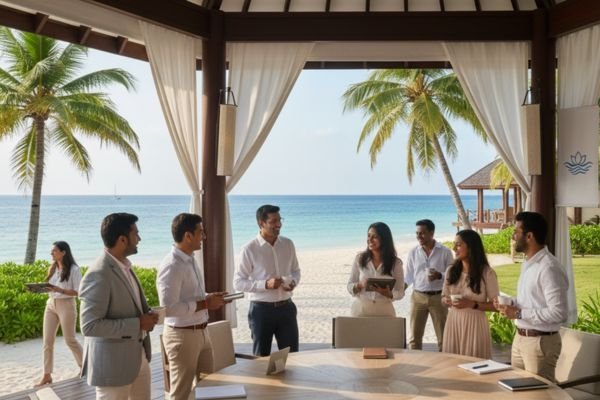
international corporate retreat at a luxury seaside resort, part of premium International Corporate Retreat Packages.

International Corporate Retreat Packages: 6 Exotic Venues

If you’re planning an international corporate retreat in 2026, this guide lays out exactly where to go, what kind of venues to book, and how to design experiences that actually improve teamwork and productivity.

You’ll discover:

  • Six proven international destinations for corporate retreats.
  • How to choose the right venue for your team size and goals.
  • What to include in your International Corporate Retreat Packages to make them both luxurious and effective

Six Exotic Venues That Actually Boost Team Performance 📈

1. Dubai, UAE — Business Meets Luxury

  • Why it works: Top-class meeting venues, short flights, easy visas.
  • Best for: Product launches, executive summits, and incentive trips.
  • Add-ons: Desert safari dinners, yacht networking, or Expo City visits.

2. Switzerland — Alpine Focus and Team Spirit

  • Why it works: Scenic calm, luxury hotels, and perfect for high-end corporate gatherings.
  • Best for: Leadership summits or client incentive trips.
  • Add-ons: Train excursions, fondue nights, and lake cruises.

Pro Tip: Zurich and Lucerne are ideal for mid-size corporate groups seeking privacy.

3. Singapore — Seamless Business Infrastructure

  • Why it works: World-class conference facilities and top-tier connectivity.
  • Best for: Regional meetups, performance reviews, or reward-based retreats.
  • Add-ons: Night safari, rooftop cocktails, or Universal Studios team challenge.

Pro Tip: Combine Singapore with a short Malaysia excursion for variety.

4. Turkey — History, Culture, and Modern Venues

  • Why it works: Budget-friendly, unique backdrops, and growing MICE infrastructure.
  • Best for: Multi-team retreats or creative agencies seeking inspiration.
  • Add-ons: Bosphorus cruise, hot-air ballooning in Cappadocia, or Turkish baths.

Pro Tip: Istanbul works for large events, while Cappadocia offers boutique experiences.

5. Bali, Indonesia — Wellness and Creativity Hub

  • Why it works: Peaceful environment, great for strategy resets and creative brainstorming.
  • Best for: Senior management retreats or start-up leadership camps.
  • Add-ons: Yoga, spa days, and co-working spaces in Ubud or Seminyak.

Pro Tip: Mix half-day work sessions with wellness blocks to balance energy.

6. Phuket, Thailand — Team Bonding by the Beach

  • Why it works: Affordable resorts, beachside conference halls, and strong hospitality sector.
  • Best for: Team-building workshops and relaxation retreats.
  • Add-ons: Island hopping, Thai cooking classes, or cultural evenings.

Pro Tip: Choose properties with private beach access for group exclusivity.

What to Include in Every International Corporate Retreat Package

To make your retreat packages rank and convert, include:

  • Round-trip flights or land transfers.
  • 4-star+ accommodation with meeting facilities.
  • Team-building activities (cultural, adventure, or creative).
  • Gala dinner, award night, or CSR component.
  • Visa, insurance, and 24/7 ground support.

Each retreat should balance structured sessions with leisure time — that’s what keeps teams engaged and refreshed.

Why Corporate Retreats Abroad Are on the Rise

Here’s the thing: more Indian companies are investing in international corporate retreat packages because they combine business outcomes with travel experiences.
It’s no longer just about offsites — it’s about boosting creativity, morale, and retention.

Short-haul destinations like Dubai, Singapore, and Thailand remain favorites because they’re visa-friendly, flight-connected, and offer great event infrastructure. Longer-haul options like Switzerland and Bali are trending for executive-level retreats focused on strategy and wellness.

Who Should Book These Retreats

  • Corporates seeking creative recharge.
  • Start-ups planning annual offsites.
  • Sales teams needing recognition trips.
  • Executive boards hosting leadership summits.

These retreats are more than incentives — they’re strategic investments in people and performance.

FAQ

Q: Which country is best for corporate retreats?

A: For Indian companies, Dubai and Thailand top the list due to easy connectivity, cost-effectiveness, and solid MICE facilities.

Q: How long should an international retreat be?

A: Ideally 3–5 days including travel, with at least one day dedicated to leisure or cultural exploration.

Q: Can Travelexie customize a retreat plan for our company?

A: Yes, we design corporate retreat packages worldwide based on group size, theme, and business objectives

Turn your next offsite into a real performance booster. 💯
Plan your International Corporate Retreat Packages with Travelexie — where work meets experience. 😎

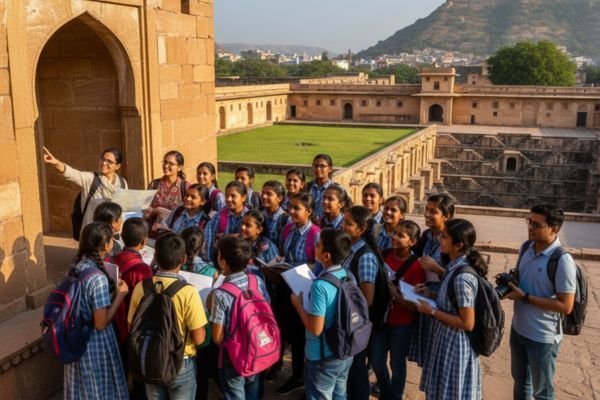
Indian students on a group educational tour with teacher and notebooks, student group tours safety fun

Student Group Tours: Safety, Savings, and Fun

Quick answer — the five things you need now

  • Treat safety as the planning lens: permissions, insurance, emergency plan, and vetted accommodation.
  • Book early and bundle transport and hotel to cut costs.
  • Keep chaperone ratios clear (you’ll usually need more adults for younger kids).
  • Design learning outcomes and at least one active group task.
  • Use a trusted travel partner (Travelexie) for logistics, permits, and group rates.

What Makes Student Group Tours the Smartest Way to Travel and Learn

Student group tours turn abstract lessons into real experiences — that’s where real learning happens. But here’s the thing: travel also brings its own risks, from health and transport issues to group behavior. That’s why careful planning turns a potential headache into a rewarding trip.

In fact, many Indian school boards recognize this balance. They now make curriculum-linked trips mandatory and require clear safety measures — permission slips, verified IDs, a senior teacher leading the group, and pre-trip briefings to keep everyone on the same page.

Safety essentials (quick checklist + sources)

  • Written parental consent with medical details and emergency contacts. A strong permission slip should list the itinerary, risks, medical provisions, and a consent clause. 
  • A designated trip leader and a clear chaperone plan. Most practical guidelines recommend more adults for younger children (common recommendations: around 1:8–1:10 for multiday trips, 1:10–1:15 for older students). Adjust up for high-risk activities.
  • Group travel insurance that covers medical emergencies, repatriation, and trip interruption. Domestic and international group plans are available—compare policies and make insurance part of the cost per student. 
  • A written emergency plan: nearest hospital, local police station, embassy (for international trips), spare ID copies, and an internal communication method (class WhatsApp + printed list).
  • Follow government and child-safety manuals and school-board circulars when designing dates, duration, and activities. India’s child safety and school excursion manuals are a useful baseline for policies and checks.

Q3. should we buy group insurance?

Ans: Strongly recommended. Group travel insurance protects against medical costs, cancellations, and baggage loss — do not skip it.

Savings and budgeting — where groups save most

  • Bulk fares on buses, trains, and flights. Ask for a group quote; airlines and railways give concessions for large groups.
  • Package deals: bundling transport + hotel + local bus reduces cost and admin time. Travelexie negotiates these bundles and can lock group rates.
  • Off-peak travel: avoid public holidays; choose shoulder-season dates for the same experience at lower cost.
  • Local partners: book accredited local guides and workshops directly through your agency to avoid markup and cancellation risk.
  • Contingency: budget 5–10% extra for unexpected fines, medical needs, or schedule changes.

Logistics & timeline — realistic planner

  • 3–6 months before (large or international trips): lock dates, reserve blocks of rooms, confirm permits.
  • 6–8 weeks before (workshops, museum group bookings): book guided tours and activity slots. Many centers limit group sizes.
  • 2–3 weeks before: collect final consent forms, confirm rooming lists, and distribute final itinerary and packing list.
  • Day before: teacher briefing, emergency contact distribution, and last-minute checks.

Chaperone roles — practical division of labor

Don’t make the chaperones guess. Assign:

  • Trip leader (school-side): overall responsibility for discipline and decisions.
  • Admin lead: handles money, tickets, and hotel check-in.
  • Medical lead: carrier of first aid and student medical forms.
  • Activity lead: coordinates educational tasks and worksheets.

Q2. How many chaperones do we need?

Ans: Use age and activity risk to decide. As a practical baseline for planning, aim for 1 adult per 8–10 younger students on multiday trips; reduce the ratio for day trips and older students.

Making tours educational and fun

  • Set clear learning outcomes: e.g., “understand Mughal architecture” or “collect biodiversity samples.”
  • Prep materials: short readings and task sheets given a week before.
  • Active work: small group projects, photo evidence, or short presentations at trip’s end.
  • Reflection: A 30-minute debrief the day after helps cement learning.

Checklist to download and share with parents

  • Signed permission slip and medical form
  • Copy of student ID and photocopy of parent ID
  • Emergency contact list + teacher mobile numbers
  • Insurance certificate number and agent contact
  • Medication (labelled) + first-aid kit
  • Small cash and a printed itinerary

Q1. Are permission slips mandatory?

Ans: Yes — most school boards require written parental consent and medical details before a trip. Keep signed forms on file.

Final notes — how Travelexie helps

We handle permits, negotiated group rates, vetted hotels, local transport, and on-ground support.

Useful internal links:

Sources & Guidelines Referenced

CBSE: Circular and safety guidance for school excursions

Voyita: Legal essentials and permission-slip best practices

Halsbury Travel: Recommended chaperone ratios for educational trips

Policybazaar: Group travel insurance guidelines

NCPCR: National child safety and school security framework


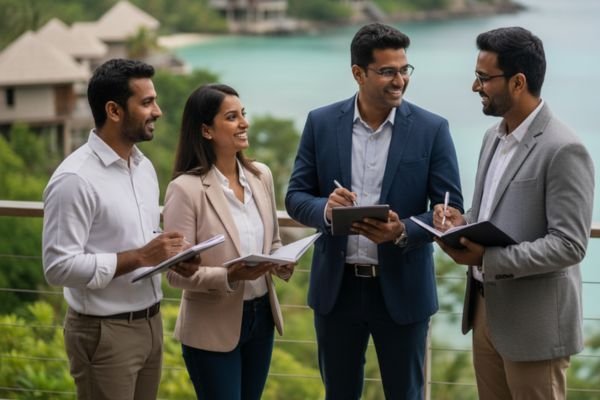
A group of professionals engaged in team-building activities during a corporate retreat, fostering collaboration and leadership skills.

5 Hidden Gems for Corporate Retreats in 2025

  • Spiti Valley, Himachal Pradesh.
  • Hampi Riverside Camps, Karnataka.
  • Coorg Plantation Estates, Karnataka.
  • Chilika Lake Resorts, Odisha.
  • Gokarna Beach Retreats, Karnataka.

Why These Spots Shine for Corporate Retreats in 2025

What this really means is you get off‑the‑beaten‑path spaces that spark creativity, deepen team bonds, and avoid the “same‑old” conference‑hall feel. Each location blends natural beauty with reliable infrastructure—exactly what today’s planners demand.

1. Spiti Valley, Himachal Pradesh

What to expect: High‑altitude silence, star‑filled skies, Himalayan homestays.
Why it works: The isolation forces focus. Small village lodges double as workshop rooms, and you can slot in short treks for ice‑breaker exercises.

2. Hampi Riverside Camps, Karnataka

What to expect: Ancient temple landscapes, riverside tents, open‑air brainstorming.
Why it works: History sparks fresh perspectives. You’ll rent private Sandside stretches for group discussions, then reconvene for a local‑style feast.

3. Coorg Plantation Estates, Karnataka

What to expect: Coffee‑estate bungalows, misty mornings, on‑site conference kiosks.
Why it works: The scent of fresh roast puts everyone in “creative” mode. Estate managers can even guide coffee‑making workshops as team‑building exercises.
Pro tip: Ask about our dedicated travelexie.com for turnkey support—from AV setups to F&B. 

  • MICE services: We specialize in Meetings, Incentives, Conferences and Exhibitions.
  • Turnkey support: We handle absolutely everything so you can “turn the key” and walk straight into a fully‑ready event.
  • AV setups: Audio‑visual gear—think microphones, speakers, projectors, screens, video conferencing—everything you need to present or workshop.

F&B: Food and beverages. We’ll plan your coffee breaks, meals, snacks and drinks so your team stays fueled.

Pro tip: For end-to-end corporate event management in India, CYC Events is also a trusted partner that can elevate your retreats with customized experiences.

4. Chilika Lake Resorts, Odisha

What to expect: Eco‑lodges on stilts, boat‑based ice‑breakers, bird‑watching breaks.
Why it works: Interactive lake activities double as team challenges. It’s both a retreat and an outdoor lab for problem‑solving under real‑world conditions.

5. Gokarna Beach Retreats, Karnataka

What to expect: Quiet beaches, yoga huts, seaside meeting pavilions.
Why it works: Wellness sessions and sunset strategy huddles blend perfectly. Swap your PowerPoints for paddle‑boarding, then dive back into action.

How to Choose the Right Gem for Your Team

  • Group Size & Style: Spiti works for small squads; Coorg scales up to 50+.
  • Budget & Timing: Off‑peak Chilika may save you 20 percent; Hampi peaks in winter.
  • Objectives: Pick Hampi or Coorg for creative offsites. Choose Gokarna or Chilika for wellness and bonding.

If you need help weighing options, our travel experts at Travelexie will craft a side‑by‑side proposal. Just drop us a line through our Contact page.

Why Travelexie for Your 2025 Corporate Retreat?

  • End‑to‑end planning: From flights to local transport, we’ve got you covered under one roof.
  • On‑ground support: 24/7 helpline and local reps mean zero downtime if plans shift.
  • Tailored experiences: Whether it’s a coffee workshop in Coorg or a boat challenge in Chilika, we customize every detail.

Here’s the thing: when you choose Travelexie, you’re not just booking a venue—you’re investing in an experience that actually moves the needle on team morale and productivity.