Woman traveler with small dog in pet carrier at airport, beside organized luggage and visible boarding pass, ready for stress-free pet travel

Traveling with A Pet: Tips for a Smooth Journey 

  • What this post covers: Practical steps for traveling with a pet — how to plan the trip, handle paperwork, follow safety and crate rules, prepare for airline and border checks, manage road trips, and complete a pre-travel vet checklist.
  • Quick checklist: ID + microchip, health certificate, vaccinations, airline crate (IATA rules), travel kit (food, meds, water), contact local vets at destination.
  • Bottom line: Start planning 6–8 weeks before travel for international trips; for domestic trips, book and confirm pet rules with your carrier at least 2–3 weeks in advance.

Before you book: confirm rules and restrictions

Here’s the thing: every airline and every country have different rules. Some airlines allow small dogs and cats in the cabin if they fit under the seat; others require checked/cargo transport. For international travel, countries often require specific vaccines, microchips, and endorsed health certificates and some need export or import permits. Always check the airline’s pet policy and the destination’s requirements before you buy tickets

Action: Call the airline and ask:

  • Cabin vs cargo rules for your pet’s breed and size
  • Crate dimensions required and live-animal paperwork (IATA LAR references)
  • Fees and any seasonal restrictions

2. Paperwork that often trips people up

  • Health certificate issued by a licensed vet (many destinations require it within a narrow time window).
  • Proof of rabies and other vaccinations (check country-specific rules).
  • A microchip that meets ISO standards for international travel — very commonly required.
  • For travel to or via the United States, the CDC Dog Import Form and other rules now apply for many dogs; know the dates and forms.
  • Action: Contact a USDA-accredited / government-approved vet (or your country’s equivalent) as soon as you know travel dates. They’ll schedule tests and sign official forms.

3. Crate rules, comfort, and IATA standards 

Airlines and ground handlers follow IATA Live Animals Regulations (LAR) for safe, humane transport. Crate sizing, ventilation, and labeling rules come directly from IATA; noncompliant crates risk refusal at check-in. For larger animals, individual crating is mandatory; for small pets, only certain carriers are accepted in-cabin. 

Action: Buy an airline-approved crate that:

  • Allows your pet to stand, turn, and lie down comfortably
  • Is rigid, secure, and labeled with your contact details and “Live Animal” stickers
  • Meets the dimensions your airline specifies

4. Health & safety: prepping your pet

Take your pet to the vet 2–4 weeks before departure for a travel check. Ask for:

  • Travel health certificate (timing matters)
  • Medication refills and sedation advice (most vets discourage sedating pets for flight)
  • Microchip check and update contact details

Pack a pet first-aid kit and copies of all medical documents. If your pet has a chronic condition, carry a vet’s letter explaining medication and care.

5. Road trips vs air travel

Road trips are generally lower-risk for many pets. Secure them with crates or crash-tested harnesses and never leave them in a parked car. For flights, keeping small pets in-cabin is better for many animals; cargo is OK for some breeds but comes with higher stress and risk. Always hydrate, avoid feeding right before travel, and schedule frequent stops on long drives. 

Action: For car travel:

  • Use a crate or crash-tested restraint
  • Bring familiar bedding and toys
  • Stop every 2–3 hours for bathroom breaks and water

6. International border crossings

International moves require more lead time. Some tests or blood draws must be done weeks or months before travel. Start the process 6–12 weeks ahead, depending on destination rules, and verify whether your destination requires a government endorsement on the health certificate (for example, USDA endorsement for U.S. exports). 

Action: Create a document timeline: vaccination dates, test windows, export endorsements, and flight date — check these off as they’re completed.

7. On the day of travel: calm, safe steps

  • Keep your pet calm with familiar items and a light meal 3–4 hours before travel.
  • Arrive early at the airport. Live-animal check-in takes extra time and may require additional forms.
  • For connecting flights, verify that layover airports accept live animals in transit.

8. Backups and insurance

Get pet travel insurance or ensure your existing pet insurance covers travel-related care. Also, map emergency vets at your destination and save their contacts in your phone and on paper.

Why these matters

I’ve helped dozens of travelers plan pet-friendly trips and coordinated with vets and carriers. Here’s what actually prevents stress and last-minute cancellations: paperwork, crate rules, and realistic expectations about where your pet can travel in the cabin vs cargo.

Internal link 👇

  • Looking for budget-friendly international packages, you can take your pet on? See our top picks.
  • Want Travelexie to build a custom pet-friendly trip? Contact us.

Summary

Traveling with your pet doesn’t have to be stressful if you plan early and follow the right steps. From airline paperwork and crate rules to vet checks and international border prep, being organized keeps your trip smooth and safe. Confirm travel rules, get your health certificates on time, and prepare your pet’s essentials well in advance — that’s how you ensure a comfortable journey for both of you.
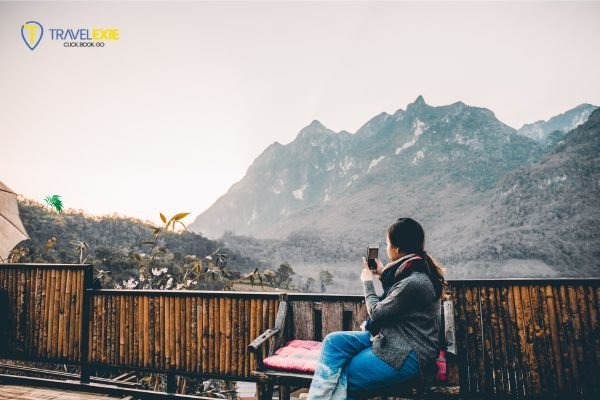

A solo traveler sitting on a wooden bench, peacefully admiring mountain views during sunrise, symbolizing the essence of slow travel and mindful journeys focused on quality experiences.

Slow Travel: Embracing Quality Over Quantity in Your Journeys 🌍

🌿 What Is Slow Travel?

Slow travel is a mindful way of exploring the world. Instead of rushing between cities and landmarks, you stay longer, move slower, and truly connect with a place. It’s about experiencing cultures, people, and moments. You travel less, but live more.

Q. Is slow travel only for long vacations?

Ans. No. Even a 4–5 day trip in one destination counts. It’s about mindset, not duration.

✈️ How to Plan a Slow Travel Trip

  • 1. Pick One Base, Not Ten Stops

Choose one destination and stay put for a while. It could be a quiet coastal town, a mountain village, or a small city you’ve always wanted to explore.

  • 2. Travel by Land

Trains, buses, ferries — these let you see more of the journey and interact with locals along the way.

  • 3. Focus on Experiences, Not Attractions

Swap crowded sightseeing for immersive activities like a local cooking class, a nature walk, or volunteering for a day.

  • 4. Choose Local Stays

Skip the generic hotels and try guesthouses, homestays, or eco-lodges. You’ll get genuine stories, homemade food, and cultural exchange.

  • 5. Plan “Do Nothing” Days

Some of your best travel memories come from unplanned mornings. Sit in a café, watch people go by, or explore a market without a map.

  •  6. Learn Something Local

Take a pottery lesson, learn a dance form, or just cook a local recipe. It’s a fun way to connect deeper with the culture.

💫 Why Choose Slow Travel?

  • 1. You Experience More, Not Just See More

When you travel slow, you get to know the rhythm of a place. You chat with locals, learn a few phrases, and notice details that tourists usually miss.

  • 2. It’s Kinder to the Planet

Fewer flights, shorter transfers, and local stays mean less carbon footprint. Choosing trains or shared rides helps keep your travel greener and simpler.

  • 3. You Save More Than You Think

Staying longer often costs less. Weekly stays, home rentals, or local guesthouses are usually cheaper than hopping between hotels.

  • 4. It Boosts Mental Clarity

Traveling slowly gives your mind time to breathe. You’re not chasing schedules — you’re actually enjoying the moment.

  • You Support Local Communities

When you stay longer, you invest in local shops, markets, and guides. That money stays within the community, helping real people thrive.

🌸 Real Tips

  • Walk whenever possible. You’ll see more details and spend less.
  • Carry a reusable bottle and bag to reduce waste.
  • Spend your first day observing, not rushing.
  • Try the local breakfast — it often tells you everything about a place’s soul.

Q. Is slow travelling expensive?

Ans. Not at all. You actually spend less because you’re moving less and living more like a local.

✅ Slow Travel Checklist

☐ One destination, minimum 5 nights

☐ One local activity booked (class, guide, or volunteering)

☐ One full day with no plans

☐ Local transport arranged (train, bus, or bike)

☐ Sustainable stay chosen (eco-lodge, homestay, or guesthouse)

🌅 Final Thoughts

Slow travel isn’t about doing less — it’s about feeling more. You come back with fewer photos but richer memories. You’ll remember the smell of rain on cobblestones, a stranger’s kindness, and the silence of a sunrise.

If you want help creating your own slow travel plan, the team at Travelexie can help you design custom itineraries focused on meaningful experiences, not miles traveled.

Take it slow. The world looks better that way. 🌏✨

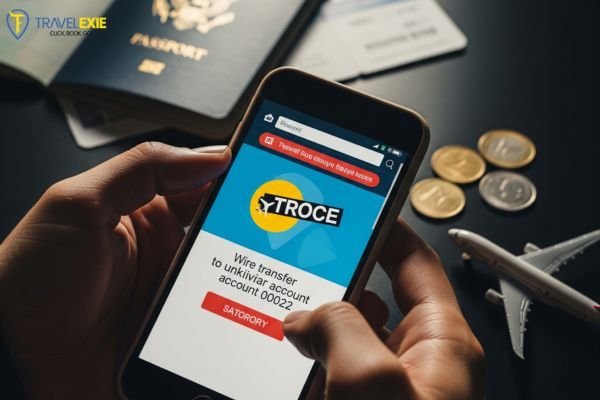
Hands holding a smartphone displaying a "scam alert" message over a travel backdrop with passport, plane, and coins, symbolizing online travel fraud.

Travel Scam Alerts: How to Spot Tour Operator Frauds and Stay Safe ✈️🚨

What is a travel scam 🧭

A travel scam is any fraud that targets travelers — from fake tour operators and lookalike booking sites to taxi and guide scams. Tour operator fraud specifically means someone selling a trip, tour, or service that doesn’t exist, is misrepresented, or disappears after you pay.

 If a booking or holiday deal asks you to pay by wire transfer, gift card, or crypto, stop. Verify the operator’s official website, call their listed phone number, and pay with a credit card that offers fraud protection. If anything feels rushed, pressured, or “too good to be true,” walk away. 

Why this matters

Scammers are getting sharper. Recently, fake messages pretending to be from big booking platforms have tricked travelers into sharing card details or sending payments off-platform. That can lead to money lost and ruined plans. What this really means is: vigilance before you click or pay will save you time and money. 

Common tour-operator and booking scams to watch for 🎭

  • Phantom bookings — you pay, no reservation exists.
  • Fake agencies — professional-looking sites that aren’t legit.
  • Bait-and-switch — the promised package changes at arrival.
  • Impersonators — messages that pretend to be airlines or platforms asking you to “confirm” payment info.
  • Upfront-only payment requests — insistence on wire transfer, gift cards, or crypto.

Red flags: quick checklist (read before you pay) ⚠️

  • Strange domain names or small misspellings in URLs.
  • No verifiable phone number or address.
  • Pressure to “book now” with reduced time or “only today” language.
  • Requests for payment methods you can’t dispute (wire, gift card, crypto).
  • No written cancellation or refund policy.
  • Poor or no independent reviews beyond the site’s testimonials.

Step-by-step: how to vet a tour operator

  1. Google the operator’s name plus words like “scam,” “review,” or “complaint.” Look beyond the operator’s own site.
  2. Verify the URL — must start with https and match the brand name exactly (watch for small spelling tricks).
  3. Call the phone number on the website. If it goes unanswered or to a generic line, be cautious.
  4. Ask for a written itinerary and the company’s registration or licensing details. Legit operators will share them.
  5. Pay by credit card when possible — it’s easier to dispute fraudulent charges. Avoid untraceable payments.
  6. Use official booking platforms or trusted OTAs only after cross-checking the supplier name. If you’re redirected to a different payment page, pause and confirm with the operator.

At destination: extra safety moves 🧳

  • Keep receipts, reservation emails, and screenshots.
  • Confirm pickup details directly with the operator the day before.
  • Use only licensed taxis and verified guides.
  • If something changes, ask for written confirmation and don’t pay extra until you verify the reason.

If you get scammed — immediate steps 🆘

  1. Contact your card issuer and dispute the charge. Time matters.
  2. File a police report locally and keep a copy. This helps with refunds or insurance.
  3. Report the fraud to your country’s travel authority (for US citizens, see Travel.State.gov).
  4. Report online scams to consumer bodies: in the UK report to Action Fraud, and in other places use official government portals.
  5. Share your experience on review sites so others aren’t caught by the same trick.

How travel companies (and you) reduce risk — practical rules

Here’s the thing: reliable operators publish full contact details, clear T&Cs, and use traceable payments. If you’re booking through an agent, confirm the supplier directly. Travel associations and trade groups publish tips to spot fake booking sites — use those resources before you click pay. 

Example scenarios — short and clear

  • You get an email claiming “your reservation will be canceled unless you pay now” with a link. Don’t click. Contact the platform via its official site or app.
  • A guide offers an “exclusive” private tour, cash-only, with no written agreement. Ask for proof of license and a written itinerary. If none, walk away.

Want help vetting a package? Contact Travelexie 

If you’re unsure about a tour operator or a deal, get an expert second opinion. Visit our Home page or Contact Us to send the details — we’ll check supplier legitimacy and advise payment options. You can also browse safety tips on our Blog.

Final takeaway

Travel scams are preventable when you verify, document, and use dispute-friendly payment methods. Stay skeptical of urgent requests and double-check who you’re paying. Do that and you’ll cut your risk dramatically.

Scenic Ladakh landscape with travelers admiring mountain views and a car parked on a dirt road

National Gems: Must-Visit Indian Destinations

If you’re looking for must-visit Indian destinations in 2025, start with:

  • Ladakh for raw adventure and silence.
  • Rajasthan for royal heritage and desert charm.
  • Kerala for wellness, houseboats, and backwaters.
  • Himachal Pradesh for mountains and mindfulness.
  • Goa for beach energy and local festivals.
  • Meghalaya for rain-soaked nature and root bridges.
  • Varanasi for timeless spirituality.

These places represent India’s best blend of nature, culture, and experience — the kind of travel that stays with you long after the trip ends.

If you’re planning your next escape, stay tuned to Travelexie. We’re soon rolling out curated India routes designed to help you experience these gems the right way, not just the tourist way.

Why These Destinations Matter?

Let’s break it down. India’s appeal isn’t just in landmarks; it’s in moments like, sipping chai in a Ladakh monastery courtyard, watching a Kathakali show in Kochi, walking barefoot in an ancient temple lane. These must-visit Indian destinations give you both a story and a memory.

For 2025 travelers, domestic tourism isn’t a fallback: it’s a priority. People want trips that feel meaningful but still fit into their busy schedules — and India’s diversity makes that possible.

1) Ladakh – Where the Sky Feels Close

What’s special: The Himalayas, monasteries, and clear night skies make Ladakh a top pick for both bikers and peace-seekers.

What it means for you: Perfect for adventure and detox. Plan between June and September for smooth travel.

Pro tip: Stay in a local homestay instead of a resort — it’s cheaper, warmer, and connects you to Ladakhi culture.

2) Rajasthan – Royalty That Never Fades

What’s special: Jaipur, Jodhpur, and Udaipur bring together forts, lakes, palaces, and crafts. Every corner feels cinematic.

What it means for you: A great choice if you love history, colors, and cultural depth.

Pro tip: Visit during winter for festivals and milder weather. Try a camel safari in Jaisalmer or stay in a heritage haveli.

3) Kerala – Nature’s Wellness Retreat

What’s special: Backwaters, Ayurvedic spas, and hill stations like Munnar and Wayanad make Kerala a year-round favorite.

What it means for you: Ideal for couples, families, and anyone looking to slow down.

Pro tip: Combine a backwater houseboat stay with an Ayurvedic therapy session. You’ll return completely recharged.

4) Himachal Pradesh – Hills With Heart

What’s special: Shimla, Manali, Dharamshala, and Spiti Valley — each has a different vibe. It’s a mix of chill cafés, hikes, and meditation centers.

What it means for you: Great for long weekends or extended stays. Himachal is also growing as a workcation hub.

Pro tip: Skip the usual tourist traps. Try Tirthan Valley or Bir Billing for something quieter and more real.

5) Goa – More Than Beaches

What’s special: Goa is freedom. Beyond its beaches, it’s about music, flea markets, Portuguese lanes, and local Goan cuisine.

What it means for you: Solo, couple, or friends — Goa fits every mood.

Pro tip: North Goa for nightlife, South Goa for calm. Rent a scooter and let instinct guide your route.

6) Meghalaya – India’s Secret Garden

What’s special: Root bridges, waterfalls, and misty forests make Meghalaya an underrated paradise.

What it means for you: A perfect escape if you love nature and photography.

Pro tip: Visit during monsoon to see the state at its greenest. Don’t miss Dawki River and Mawlynnong — Asia’s cleanest village.

7) Varanasi – The City of Soul

What’s special: Old ghats, Ganga aarti, ancient temples, and timeless energy. Varanasi is emotion in motion.

What it means for you: It’s not just a trip, it’s a perspective. A great reminder of how layered India truly is.

Pro tip: Stay near Assi Ghat for early morning boat rides and authentic local food.

Why These Are the “Must-Visit Indian Destinations”

Each destination gives you a unique emotion, adventure, calm, and cultural insight. Together, they capture India’s entire story. If you’re planning your next trip, keep an eye on Travelexie Holiday Packages. Our upcoming India routes will help you explore these destinations in a more real and meaningful way.

FAQs

Q: What are the top must-visit Indian destinations for 2025?

Ans: Ladakh, Rajasthan, Kerala, Himachal Pradesh, Goa, Meghalaya, and Varanasi are the best picks for every kind of traveler.

Q: Which Indian destination is best for relaxation?

Ans: A: Kerala and Himachal are perfect for slow, wellness-oriented travel.

Q: What’s the best time to explore these places?

Ans: October to March covers most regions comfortably, though Ladakh and Meghalaya have specific seasonal windows


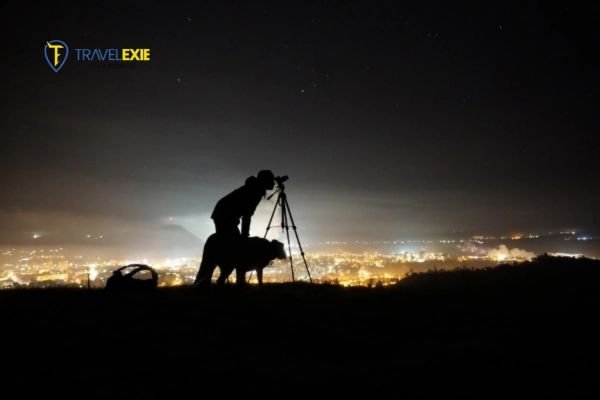
Traveler stargazing with telescope and dog overlooking illuminated city at night — noctourism adventure by Travelexie

Noctourism: Discovering the World After Dark

🌙 What Is Noctourism?

Noctourism is the emerging travel trend of exploring destinations after dark. It’s about embracing the unique experiences that nighttime offers—whether it’s stargazing in remote deserts, attending illuminated festivals, or savoring street food under city lights. This trend is gaining momentum in 2025 as travelers seek to experience the world from a different perspective.

🌍 Top Noctourism Destinations

Here are some destinations renowned for their nocturnal attractions:

  • NamibRand Nature Reserve, Namibia: Known for its pristine night skies, it’s a haven for stargazing.
  • Tromsø, Norway: A prime location for witnessing the Northern Lights.
  • Tokyo, Japan: Experience the vibrant nightlife, from neon-lit streets to late-night eateries.
  • Perth, Australia: Offers bioluminescent kayaking experiences in its waters.

🌌 Why Is Noctourism Gaining Popularity?

Several factors contribute to the rise of noctourism:

  • Escape from Daytime Crowds: Nighttime activities often offer a more peaceful and less crowded experience.
  • Unique Experiences: Activities like night safaris or stargazing provide opportunities to witness phenomena not visible during the day.
  • Cultural Immersion: Exploring night markets or attending evening festivals allows travelers to engage with local culture in a vibrant setting.
  • Photographic Opportunities: The night offers unique lighting and scenes perfect for photography enthusiasts.

🧭 How to Plan a Nocturnal Adventure

To make the most of your noctourism experience:

  • Research Local Events: Look for night festivals, stargazing events, or nocturnal wildlife tours.
  • Check Safety Measures: Ensure the areas you plan to visit are safe at night.
  • Pack Accordingly: Bring layers, as temperatures can drop after sunset.
  • Stay Informed: Use local guides or apps to stay updated on nighttime activities.

⚠️ Safety Tips for Nocturnal Travelers

  • Stay in Well-Lit Areas: Choose accommodations and activities in well-lit, populated areas.
  • Use Trusted Transportation: Opt for reputable taxi services or rideshare apps.
  • Inform Someone: Let a friend or family member know your plans and expected return time.
  • Avoid Risky Areas: Stay away from poorly lit or unfamiliar neighborhoods.

Final Thoughts

Noctourism is a unique way of experiencing the world after dark You reveal sights and sound that are hidden during the daytime. Whether you’re seeking adventure, tranquility, or cultural immersion, the night always has something special to offer.

Start exploring exclusive night tours and travel packages with Travelexie. Plan your Noctourism adventure trip, experience the magic of the night, and see your destination in a whole new way.


Infographic showcasing top travel trends for Indian travelers in 2025, including solo trips, wellness retreats, cultural tourism, and eco-friendly travel.

Top Travel Trends for Indians in 2025: What’s Changing & What It Means for You

Quick answer

  • Sustainability and conscious travel are mainstream.
  • Workcations and digital-nomad-friendly travel continue to grow.
  • Domestic, short-stay and micro-trip demand keeps rising.
  • Indians are prioritizing unique, experience-first trips — cultural, culinary, wellness.
  • Popular outbound hubs (UAE, Saudi, the US, Thailand, Singapore) remain top picks for Indians

Here’s the thing: this guide puts the answers first, then shows what each trend means for you as a traveler and what to watch if you sell travel packages. If you want a tailor-made plan after reading, check our packages or reach out. (Travelexie: Home, MICE, Forex, Visa).

1) Sustainability becomes the baseline, not the niche

What’s changing: Travellers now expect choices that reduce local impact, support communities, and limit waste. Many are actively looking for greener stays and experiences. 

What it means for you: Ask properties about waste, local sourcing, and community benefits before booking. Pick small-group local experiences over large extractive tours.

Actionable tip: Look for certified eco-stays or locally run homestays and factor in small donations or tips to local guides.

For travel sellers: add clear sustainability notes to itineraries and partner with community-run experiences to make packages more attractive and defensible.

2) Workcations, long-stays and digital-nomad setups

What’s changing: Remote work isn’t going away. Cities and resorts that offer reliable internet, coworking access and visa flexibility are getting more bookings. Companies and freelancers alike are mixing work with travel, not separating them.

What it means for you: If you can work remotely, longer stays (1–4 weeks) cut trip anxiety and let you explore slower. Prioritise accommodations with clear workspaces and stable connectivity.

Actionable tip: Ask for a room with a desk, test Wi-Fi on arrival, and buy a local eSIM or short-term data plan for redundancy.

For travel sellers: create dedicated “workcation” packages that include coworking passes, local SIM/ESIM support, and flexible change policies.

3) Domestic micro-trips and tier-2/3 discovery

What’s changing: Indians are rediscovering domestic regions and smaller towns. Shorter drives and 2–4 day breaks are booming. Government initiatives and better connectivity are accelerating this shift. 

What it means for you: You can get meaningful experiences without long flights. Weekend escapes are cheaper, lower risk, and often more authentic.

Actionable tip: Build a rotation of nearby weekend options so you can travel more often with less planning time.

For travel sellers: scale local inventory, add curated short itineraries, and promote off-peak timing to spread demand.

4) Experience-first travel: culture, food, wellness, sleep retreats

What’s changing: Standard sightseeing is being replaced by deep experiences — local food trails, cultural workshops, wellness and even sleep-focused retreats. Travelers, especially younger cohorts, want trips that change them.

What it means for you: If you want a different trip, pick packages that list experiences (cook with a family, night markets, stargazing) rather than a long list of temples or monuments.

Actionable tip: When booking, ask what percentage of the itinerary is “experiential” vs. “sightseeing.” Favor smaller group sizes.

For travel sellers: design modular experiences, promote local partners, and add optional immersive extras to base packages.

5) Bleisure and MICE travel are back — bigger and smarter

What’s changing: Business trips now include leisure add-ons, and companies expect professional MICE solutions with safety, logistics and measurable outcomes. Events are hybrid and personalized.

What it means for you: If your trip is partly work, plan buffer days for leisure. Ask your company to negotiate in advance for local experiences.

Actionable tip: If you’re an HR or travel buyer, bundle incentives with local cultural or wellness options that increase attendance.

For travel sellersB promote MICE-specific services, create bleisure add-ons and show clear ROI for corporate clients.

6) Travel tech: contactless, eSIM, AI planning

What’s changing: Contactless payments and AI itinerary tools are smoothing the booking and in-trip experience. eSIMs and reliable digital payments reduce friction for Indians travelling abroad.

What it means for you: Use an eSIM or local data as backup. Try AI-powered itinerary drafts but verify details like transfers and local holidays.

Actionable tip: Keep digital copies of documents, use trusted eSIM vendors and confirm booking details directly with providers.

For travel sellers: Offer a tech pack (local eSIM, contact numbers, digital itineraries) and provide clear in-destination support.

7) Flexible bookings and travel protection

What’s changing: People prefer refundable or changeable bookings and robust travel insurance. Flexibility sells.

What it means for you: Buy travel insurance that covers cancellations and medical emergencies. When possible, choose flexible fares.

Actionable tip: Read policy exclusions for evacuations, pandemics and pre-existing conditions before you buy.

For travel sellers: Offer clear change policies and bundle travel insurance or give a clear comparison so customers can decide.

8) Forex, visa services and simpler outbound choices

What’s changing: With more outbound travel, travelers value reliable forex and visa processing. Popular hubs like UAE and Saudi are clean, fast options for Indians.

What it means for you: Sort your forex before travel and use a trusted provider. For visas, use agents with deadlines and document checklists.

Actionable tip: Use regulated forex services or bank partners and double-check visa requirements early. If you need help, we offer forex and visa assistance. 

How travel businesses should adapt (quick checklist)

  • Create shorter, experience-led itineraries.
  • Build explicit workcation and MICE products.
  • Publish sustainability claims and local partner info.
  • Offer forex, eSIM help and visa assistance at booking. 

Why do these trends matter?

Travel choices in 2025 are less about ticking boxes and more about what the trip does for you — rest, skill, family time, or working while you travel. For travel businesses, that means product design must be flexible: shorter itineraries, clear sustainability credentials, remote-work friendly stays, and smoother forex and visa support.

FAQs

Q: Which destinations are trending for Indians in 2025?

Ans: UAE remains top for outbound travel, followed by Saudi Arabia, the US, Thailand and Singapore. For domestic travel, hill stations and cultural circuits are gaining popularity.

Q: Are workcation visas available for Indians?

Ans: Some countries offer remote-work or long-stay visas. Policies change quickly, so check visa requirements early and consider using a specialist if you need assistance.

Q: How do I pick a genuinely sustainable stay?

Ans:  Look for local ownership, waste policies, community benefit notes, small-group activities and transparent sourcing. Verified eco-certifications help.

Sources & authority

These travel trends reflect the latest patterns among Indian travelers in 2025. Insights from Booking.com, IWG on workation trends, the Ministry of Tourism (India), American Express travel reports, and Times of India coverage of outbound travel confirm these shifts. Travelers can refer to these sources for detailed data while planning their trips.


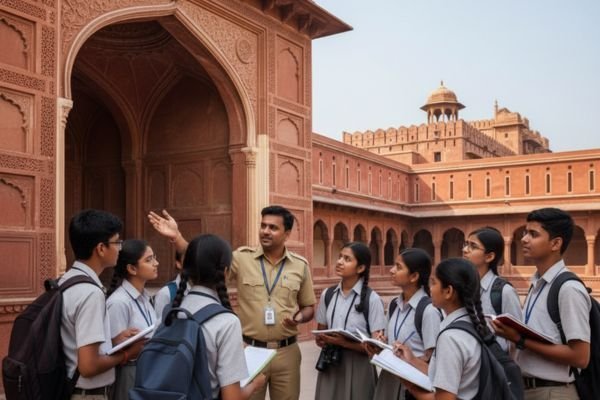
Indian students on a group educational tour with teacher and notebooks, student group tours safety fun

Student Group Tours: Safety, Savings, and Fun

Quick answer — the five things you need now

  • Treat safety as the planning lens: permissions, insurance, emergency plan, and vetted accommodation.
  • Book early and bundle transport and hotel to cut costs.
  • Keep chaperone ratios clear (you’ll usually need more adults for younger kids).
  • Design learning outcomes and at least one active group task.
  • Use a trusted travel partner (Travelexie) for logistics, permits, and group rates.

What Makes Student Group Tours the Smartest Way to Travel and Learn

Student group tours turn abstract lessons into real experiences — that’s where real learning happens. But here’s the thing: travel also brings its own risks, from health and transport issues to group behavior. That’s why careful planning turns a potential headache into a rewarding trip.

In fact, many Indian school boards recognize this balance. They now make curriculum-linked trips mandatory and require clear safety measures — permission slips, verified IDs, a senior teacher leading the group, and pre-trip briefings to keep everyone on the same page.

Safety essentials (quick checklist + sources)

  • Written parental consent with medical details and emergency contacts. A strong permission slip should list the itinerary, risks, medical provisions, and a consent clause. 
  • A designated trip leader and a clear chaperone plan. Most practical guidelines recommend more adults for younger children (common recommendations: around 1:8–1:10 for multiday trips, 1:10–1:15 for older students). Adjust up for high-risk activities.
  • Group travel insurance that covers medical emergencies, repatriation, and trip interruption. Domestic and international group plans are available—compare policies and make insurance part of the cost per student. 
  • A written emergency plan: nearest hospital, local police station, embassy (for international trips), spare ID copies, and an internal communication method (class WhatsApp + printed list).
  • Follow government and child-safety manuals and school-board circulars when designing dates, duration, and activities. India’s child safety and school excursion manuals are a useful baseline for policies and checks.

Q3. should we buy group insurance?

Ans: Strongly recommended. Group travel insurance protects against medical costs, cancellations, and baggage loss — do not skip it.

Savings and budgeting — where groups save most

  • Bulk fares on buses, trains, and flights. Ask for a group quote; airlines and railways give concessions for large groups.
  • Package deals: bundling transport + hotel + local bus reduces cost and admin time. Travelexie negotiates these bundles and can lock group rates.
  • Off-peak travel: avoid public holidays; choose shoulder-season dates for the same experience at lower cost.
  • Local partners: book accredited local guides and workshops directly through your agency to avoid markup and cancellation risk.
  • Contingency: budget 5–10% extra for unexpected fines, medical needs, or schedule changes.

Logistics & timeline — realistic planner

  • 3–6 months before (large or international trips): lock dates, reserve blocks of rooms, confirm permits.
  • 6–8 weeks before (workshops, museum group bookings): book guided tours and activity slots. Many centers limit group sizes.
  • 2–3 weeks before: collect final consent forms, confirm rooming lists, and distribute final itinerary and packing list.
  • Day before: teacher briefing, emergency contact distribution, and last-minute checks.

Chaperone roles — practical division of labor

Don’t make the chaperones guess. Assign:

  • Trip leader (school-side): overall responsibility for discipline and decisions.
  • Admin lead: handles money, tickets, and hotel check-in.
  • Medical lead: carrier of first aid and student medical forms.
  • Activity lead: coordinates educational tasks and worksheets.

Q2. How many chaperones do we need?

Ans: Use age and activity risk to decide. As a practical baseline for planning, aim for 1 adult per 8–10 younger students on multiday trips; reduce the ratio for day trips and older students.

Making tours educational and fun

  • Set clear learning outcomes: e.g., “understand Mughal architecture” or “collect biodiversity samples.”
  • Prep materials: short readings and task sheets given a week before.
  • Active work: small group projects, photo evidence, or short presentations at trip’s end.
  • Reflection: A 30-minute debrief the day after helps cement learning.

Checklist to download and share with parents

  • Signed permission slip and medical form
  • Copy of student ID and photocopy of parent ID
  • Emergency contact list + teacher mobile numbers
  • Insurance certificate number and agent contact
  • Medication (labelled) + first-aid kit
  • Small cash and a printed itinerary

Q1. Are permission slips mandatory?

Ans: Yes — most school boards require written parental consent and medical details before a trip. Keep signed forms on file.

Final notes — how Travelexie helps

We handle permits, negotiated group rates, vetted hotels, local transport, and on-ground support.

Useful internal links:

Sources & Guidelines Referenced

CBSE: Circular and safety guidance for school excursions

Voyita: Legal essentials and permission-slip best practices

Halsbury Travel: Recommended chaperone ratios for educational trips

Policybazaar: Group travel insurance guidelines

NCPCR: National child safety and school security framework


Indian students exploring the Taj Mahal during an educational trip, guided by a teacher, engaging in hands-on learning.

Educational Trips for Students in India: Top Destinations, Itineraries, and Tips

  • Agra (Taj Mahal) — architecture and Mughal history.
  • Ajanta & Ellora — ancient rock-cut art and religious history.
  • Jantar Mantar, Jaipur — hands-on astronomy and heritage science.
  • National Science Centre, New Delhi — interactive STEM exhibits and live shows.
  • Nehru Science Centre, Mumbai — workshops and hands-on labs for school groups.

Partner with a reliable travel agency like Travelexie to handle the logistics, keep the trip on schedule, and make sure everything runs safely from start to finish.

Why educational trips matter?

Here’s the thing: a well-run field trip converts textbook facts into memory. Students retain concepts better when they see and do. For schools, that translates to deeper learning, stronger presentation skills, and more curiosity. If you want help designing learning outcomes tied to the curriculum, Travelexie builds custom school-trip packages that align activities with class topics (domestic tours, international tours, MICE school programs).

Top destinations and why they work

1. Agra — Taj Mahal (history, architecture, conservation)

Great for history and art lessons about Mughal architecture, materials science (stone inlay), and conservation. Use a local guide to explain symbolism and construction techniques.

2. Ajanta & Ellora — ancient art, religions, archaeology

Caves and murals let students study iconography, ancient techniques, and religious pluralism first-hand. Plan a guided tour and an art-study worksheet.

3. Jantar Mantar, Jaipur — astronomy in practice

Students can read instruments, measure angles, and relate observations to basic astronomy lessons. It’s a live example of applied science from the 18th century.

4. National Science Centre, New Delhi — STEM exhibits and shows

Offers interactive exhibits and themed shows (physics demos, super-cold experiments) that are perfect for middle and high school science classes. Check show schedules and book group slots.

5. Nehru Science Centre, Mumbai — hands-on workshops

Regular lab workshops and creative science camps for school groups; useful when your objective is practical lab exposure or STEM engagement. Pre-registration is recommended.

References:

Other valuable stops: museums (Indian Museum Kolkata, Salar Jung Hyderabad), planetariums, ecological field sites (Sundarbans, Western Ghats), and industry visits (manufacturing, film studios, research labs) depending on your learning goals.

Safety, permissions, and practical tips

  • Always carry a list of emergency contacts and photocopies of medicine and IDs.
  • Buy group travel insurance and ask about medical facilities along the route.
  • For overnight trips, confirm accommodation accreditation and staff background checks.
  • Book workshops and entry tickets in advance; many sciences centers limit group size.

Packing list (short)

Essentials only: ID copies, first-aid kit, water bottle, hat, sunscreen, comfortable shoes, printed itinerary, teacher contact list, and a small daily cash allowance for students.

How to make the trip meaningful

  • Set pre-trip goals and assign small research tasks.
  • Use simple rubrics for observation and reporting.
  • Include a short group project or skit to present findings.
  • Capture evidence: photos, sketches, short video clips for later analysis.

Quick FAQ

Q: Can small children handle long drives?

Ans: Keep travel under 4 hours per day for primary students. Break journeys with activity stops.

Q: How far in advance should we book?

Ans: At least 6–8 weeks for workshops and group discounts; 3–4 months for peak seasons or big international trips.

Q: Who handles behaviour and emergency issues?

Ans: The school’s lead teacher maintains discipline; Travelexie provides local support and emergency contacts.

A group of professionals engaged in team-building activities during a corporate retreat, fostering collaboration and leadership skills.

5 Hidden Gems for Corporate Retreats in 2025

  • Spiti Valley, Himachal Pradesh.
  • Hampi Riverside Camps, Karnataka.
  • Coorg Plantation Estates, Karnataka.
  • Chilika Lake Resorts, Odisha.
  • Gokarna Beach Retreats, Karnataka.

Why These Spots Shine for Corporate Retreats in 2025

What this really means is you get off‑the‑beaten‑path spaces that spark creativity, deepen team bonds, and avoid the “same‑old” conference‑hall feel. Each location blends natural beauty with reliable infrastructure—exactly what today’s planners demand.

1. Spiti Valley, Himachal Pradesh

What to expect: High‑altitude silence, star‑filled skies, Himalayan homestays.
Why it works: The isolation forces focus. Small village lodges double as workshop rooms, and you can slot in short treks for ice‑breaker exercises.

2. Hampi Riverside Camps, Karnataka

What to expect: Ancient temple landscapes, riverside tents, open‑air brainstorming.
Why it works: History sparks fresh perspectives. You’ll rent private Sandside stretches for group discussions, then reconvene for a local‑style feast.

3. Coorg Plantation Estates, Karnataka

What to expect: Coffee‑estate bungalows, misty mornings, on‑site conference kiosks.
Why it works: The scent of fresh roast puts everyone in “creative” mode. Estate managers can even guide coffee‑making workshops as team‑building exercises.
Pro tip: Ask about our dedicated travelexie.com for turnkey support—from AV setups to F&B. 

  • MICE services: We specialize in Meetings, Incentives, Conferences and Exhibitions.
  • Turnkey support: We handle absolutely everything so you can “turn the key” and walk straight into a fully‑ready event.
  • AV setups: Audio‑visual gear—think microphones, speakers, projectors, screens, video conferencing—everything you need to present or workshop.

F&B: Food and beverages. We’ll plan your coffee breaks, meals, snacks and drinks so your team stays fueled.

Pro tip: For end-to-end corporate event management in India, CYC Events is also a trusted partner that can elevate your retreats with customized experiences.

4. Chilika Lake Resorts, Odisha

What to expect: Eco‑lodges on stilts, boat‑based ice‑breakers, bird‑watching breaks.
Why it works: Interactive lake activities double as team challenges. It’s both a retreat and an outdoor lab for problem‑solving under real‑world conditions.

5. Gokarna Beach Retreats, Karnataka

What to expect: Quiet beaches, yoga huts, seaside meeting pavilions.
Why it works: Wellness sessions and sunset strategy huddles blend perfectly. Swap your PowerPoints for paddle‑boarding, then dive back into action.

How to Choose the Right Gem for Your Team

  • Group Size & Style: Spiti works for small squads; Coorg scales up to 50+.
  • Budget & Timing: Off‑peak Chilika may save you 20 percent; Hampi peaks in winter.
  • Objectives: Pick Hampi or Coorg for creative offsites. Choose Gokarna or Chilika for wellness and bonding.

If you need help weighing options, our travel experts at Travelexie will craft a side‑by‑side proposal. Just drop us a line through our Contact page.

Why Travelexie for Your 2025 Corporate Retreat?

  • End‑to‑end planning: From flights to local transport, we’ve got you covered under one roof.
  • On‑ground support: 24/7 helpline and local reps mean zero downtime if plans shift.
  • Tailored experiences: Whether it’s a coffee workshop in Coorg or a boat challenge in Chilika, we customize every detail.

Here’s the thing: when you choose Travelexie, you’re not just booking a venue—you’re investing in an experience that actually moves the needle on team morale and productivity.


Affordable International Holiday Packages | Dubai, Greece, Bali, Europe & Mauritius

Top 5 International Holiday Packages That Won’t Break the Bank

Introduction

Looking for international holiday packages that under your budget? You’re in the right place. At Travelexie, we’ve hand‑picked five all‑inclusive itineraries from the Dubai desert to Mauritius shores that balance value and adventure. 🗺️⁀જ✈︎

Read on to discover which trip suits your style and budget. 😊

1. Dubai Explorer on a Budget

What you get: 4 Nights 5 Days.

  • If your family loves fun and thrills, this Dubai Adventure package is the perfect pick. Spend 4 nights and 5 days exploring Dubai’s must-see attractions along with a full-day experience at Yas Waterworld, one of the Middle East’s top waterparks.
  • The itinerary blends family-friendly sightseeing with exciting rides, giving you the best of Dubai’s modern charm and entertainment.

╰┈➤ For full details, see our Dubai Thrills & Yas Waterworld Holiday.

2. Greece Romantic Holiday Package

What you get: 3 Nights 4 Days.

  • Santorini is one of Greece’s most loved islands, known for its whitewashed houses, dramatic cliffs, and breathtaking sunsets.
  • This 3-night 4 Days romantic holiday is perfect for couples looking to unwind and explore the island’s beauty while enjoying stunning sea views and peaceful surroundings.

╰┈➤ Plan your escape with our Greece Romantic Holiday Package.

3. Bali Beach & Cultural Escape

What you get: 5 Nights 6 Days.

  • Spend 5 nights exploring Bali’s pristine beaches, lush landscapes, and cultural highlights such as Ubud.
  • This package is ideal for travelers seeking a balanced mix of relaxation, adventure, and authentic island experiences.

╰┈➤ Check our Bali Beach & Cultural Escape package for the full itinerary and pricing details.

4. Europe Most Enchanting Cities

What you get: 6 Nights / 7 Days.

  • This 7-day tour captures the highlights of Central Europe’s most enchanting cities. Explore Vienna’s imperial grandeur, Budapest’s riverside elegance, Prague’s medieval charm, and Frankfurt’s modern-meets-historic vibe.
  • A perfect introduction to Europe for travelers looking for a short but rich cultural journey.

╰┈➤ Find out more in our Essence of Central Europe.

5. Mauritius | Adults Only

What you get: 5 Nights 6 Days

  • Enjoy a peaceful adults-only escape at Sunrise Attitude in Belle Mare, Mauritius. Stay in air-conditioned rooms or villas with private plunge pools and swim-up access.
  • Relax by the outdoor pool, indulge in natural spa treatments, and enjoy a dine-around experience at three restaurants, all designed for a serene and rejuvenating holiday.

Why Choose Travelexie for Your Affordable Tours?

  • End‑to‑End Service: From flight bookings to travel insurance, we handle it all under one roof.
  • Expertise You Can Trust: Our team hails from airlines, hotels, and event management, so we know where the real value lies.
  • Transparent Pricing: No hidden fees—ever. What you see is what you pay, and we’ll explain every line on your invoice.
  • 24/7 Support: A local helpline and WhatsApp channel keep you covered from takeoff to touchdown.

What this really means is you get carefully crafted, budget‑friendly vacations—backed by true travel experts who treat your money like their own. 🤝🏻

Conclusion

Affordable doesn’t have to mean basic. With Travelexie, you get expertly negotiated rates, vetted hotels, and seamless support on every international holiday packages. Pick your favorite, lock in the best deal, and let us handle the details.