MICE travel in India showing corporate meetings, conferences, and incentive travel planning for business events

How to Plan a Destination Wedding Abroad from India (Budget, Legalities, Planning Tips)

If you’re wondering how to plan a destination wedding, start by choosing the right country, understanding legal requirements, setting a realistic budget, coordinating guest travel, and securing reliable visa and documentation support. You also need strong planning around hotels, flights, local transfers, and pre-wedding logistics, which is where a dedicated travel partner like Travelexie simplifies the entire journey.

1: Choose the Right Country

The first big decision is the country. Each destination has its own vibe, wedding rules, and cost structure. Some couples choose Europe for romance, others prefer Southeast Asia for convenience and affordability.

Think about:

  • Weather during your wedding month
  • Visa requirements for guests
  • Direct flight availability
  • Hotel capacity and accessibility
  • Local culture and photography rules

If you want inspiration or to explore popular choices, browse Travelexie’s international travel packages to see which destinations match your theme and budget.

2: Create a Practical Wedding Budget

A destination wedding looks glamorous, but the real question is what your numbers actually allow. Budgeting early helps you avoid surprises later.

Break the budget into clear parts:

  • Flights for the couple and close family
  • Hotel rooms (usually 2–4 nights)
  • Food, beverages, and venue charges
  • Local transfers
  • Pre-wedding shoots or activities
  • Visa and documentation costs

Here’s the thing: wedding destinations become expensive mostly because of last-minute flight spikes. Locking flights and rooms early helps keep everything under control.

3: Understand the Legal Requirements

This part varies from country to country. Some destinations allow Indian weddings without complicated paperwork, especially if you’re doing a symbolic ceremony. Others require marriage certificates, affidavits, or embassy registrations.

Most couples now do the legal registration in India and keep the destination ceremony symbolic. It saves time and avoids bureaucratic delays.

4: Sort Out Visas and Documents

This is often the most overlooked part of planning a destination wedding. Guests may need guidance on what documents to prepare, how early they should apply, and whether they must attend the visa centre in person.

A travel agency familiar with wedding groups can help prepare:

  • Visa checklists
  • Appointment bookings
  • Country-specific travel rules
  • Validity requirements for passports
  • Optional fast-track options

If you’re tracking global travel updates and requirements, the Travel Insights section is a good place to stay informed.

Step 5: Finalize Hotels and Group Stays

Hotel selection is one of the most important parts of planning a destination wedding. You want a property that can host events comfortably and still give you scenic settings for photos and ceremonies.

Consider hotels that offer:

  • Private beach or lawn
  • In-house decorators
  • Welcoming group policies
  • Accessible locations
  • Enough rooms for all guests

Coordination gets messy when guests book hotels separately, so group bookings help everyone stay together and enjoy the wedding experience.

Step 6: Plan Flights and Guest Movement Smoothly

Moving 20–100 guests from India to another country requires careful coordination. You want flight blocks where possible, airport transfer plans, and backup options in case of delays.

Travelexie helps simplify this by organising flight options for different cities, arranging airport pickups, and keeping guests updated through digital itineraries.

Step 7: Create a Clear Wedding Timeline

A well-planned timeline helps avoid last-minute confusion and keeps the experience relaxed.

Your timeline could include:

  • Welcome dinner
  • Mehendi or pre-wedding celebration
  • Main ceremony
  • Post-wedding brunch
  • Couple’s photoshoot
  • Optional sightseeing add-ons

Having a clear flow helps both families and guests stay on track.

Step 8: Add Pre-Wedding and Honeymoon Extras

If you’re planning outdoorsy shoots, cultural experiences, spa days, yacht rides, or luxury dinners, now’s the time to add them. Most couples pair their destination wedding with a short honeymoon right after.

Travelexie can help design a combined wedding-plus-honeymoon itinerary, especially when you’re already travelling internationally.

Why Destination Weddings Are Easier to Plan Now

Indian couples are choosing international wedding locations because they want intimate celebrations, scenic backdrops, and a more curated experience than traditional ceremonies. And with better flight connectivity, simpler visa processes, and luxury resorts offering wedding-friendly packages, planning from India is far more achievable in 2026

Safety, Insurance, and Backup Plans

International weddings come with uncertainties. Insurance, local support, and reliable ground coordination keep things running smoothly if anything unexpected happens. When travel and hotel details are professionally handled, the couple and their families stay relaxed and fully present during the celebrations.

Final Thoughts

Learning how to plan a destination wedding becomes much easier when you break it into clear stages: picking the right country, setting your budget, managing guests, following legal rules, organizing visas, and locking down hotels and flights early. With the right planning approach, you get a celebration that feels intimate, effortless, and meaningful in every way.

FAQ 💬

Q1. Do Indian couples need special paperwork to marry abroad?

Yes. Most countries require passports, birth certificates, a No Objection Certificate, and sometimes an Apostille stamp. Requirements vary by destination, so it’s smart to confirm them early.

Q2. How early should I start planning a destination wedding abroad?

Starting 10–12 months in advance gives you enough time to lock dates, handle legal work, book venues, and secure the best travel rates.

Q3. Is it better to work with a travel agency when planning a wedding abroad?

Yes, especially for international logistics like visas, group travel, airport transfers, and long-stay arrangements. It reduces stress and helps you avoid costly mistakes.

Q4. Which are the easiest countries for Indian couples to marry legally?

Thailand, Bali, Maldives, UAE, and Sri Lanka tend to offer smoother legal processes and are well-prepared for Indian destination weddings.

Hands writing in an open notebook on a world map with coins, compass, magnifying glass, and paper planes

Packing Checklist for International Trips from India (Free PDF)

A smart checklist for international trips from India should include your passport, visa documents, travel insurance, foreign currency, clothes suited to the weather, essential gadgets, medicines, and basic toiletries. Packing light but smart keeps your trip comfortable, safe, and stress-free.

Why You Need a Checklist for International Trips from India

When you’re flying abroad, forgetting one small thing can ruin the start of your journey. A proper checklist for international trips from India helps you stay organised and avoid last-minute panic.

From documents to daily-use items, a checklist makes sure nothing important is left behind and your travel feels smooth from day one.

Documents You Must Carry

This is the most important part of your packing.

Always carry:

  • Passport with at least 6 months validity
  • Printed and digital visa copy
  • Flight tickets and hotel reservations
  • Travel insurance papers
  • Government ID (Aadhaar or driving license)
  • Multiple passport-size photos

If you’re applying for a visa, our Schengen visa guide for Indians can help you understand documents and approval tips before you travel.

Clothing Essentials Based on Your Destination

Pack clothes depending on the weather of the country you’re visiting. Keep it comfortable and practical.

Include:

  • Comfortable travel outfits
  • Light jackets or sweaters
  • Sleepwear
  • Innerwear and socks
  • Walking shoes and slippers

If you’re planning a customized international holiday, you can explore Travelexie’s international holiday packages to get destination-specific packing guidance.

Toiletries and Personal Care Items

Most hotels provide basics, but you shouldn’t depend on them.

Carry:

  • Toothbrush and toothpaste
  • Face wash and moisturiser
  • Deodorant and perfume
  • Sunscreen and lip balm
  • Hand sanitiser and wet wipes

Use small travel-size bottles to save space.

Gadgets and Travel Accessories

Your digital essentials matter just as much as clothes.

Don’t forget:

  • Mobile phone and charger
  • Power bank
  • Universal travel adapter
  • Earphones or headphones
  • Camera (if needed)

Keep all electronics in your cabin baggage.

Medicines and Health Essentials

Basic medical care should always be in your bag.

Pack:

  • Regular prescription medicines
  • Fever and cold tablets
  • Pain relief spray or balm
  • Motion sickness tablets
  • Basic first aid kit

Always carry medicines in original packaging.

Money and Financial Essentials

Carry money in a safe and organised way.

Include:

  • International debit or credit card
  • Some local currency of the destination
  • Forex card if available
  • Copies of important financial documents

For currency exchange and travel planning, Travelexie’s forex and visa services can make things easier.

Cabin Bag vs Check-In Bag: What Goes Where

Cabin Bag Should Have:

  • Passport and documents
  • Wallet and currency
  • Phone and charger
  • Medicines
  • One set of essential clothes

Check-In Bag Should Have:

  • Clothing and footwear
  • Toiletry kit
  • Extra accessories
  • Non-essential gadgets

This keeps you prepared even if luggage is delayed.

Common Packing Mistakes Indians Should Avoid

Avoid these common errors:

  • Overpacking unnecessary items
  • Forgetting travel insurance
  • Carrying prohibited items in cabin baggage
  • Not keeping digital copies of documents

A smart checklist for international trips from India helps you avoid all of this easily.

How Travelexie Helps You Travel Stress-Free

From visa support to customized itineraries, Travelexie helps Indian travellers plan smooth international journeys. If you need assistance with flights, accommodations, forex, or complete holiday planning, you can connect with the team and get expert support.


Best International Family Holiday Destinations Indians Love in 2025

To save your time, here’s a simple guide to the best international family holiday destinations Indians love in 2025. You’ll find quick budgets, must-visit spots, and tips that actually help when you’re travelling with kids or elders. If you ever need a personalized family itinerary, you can always browse our international holiday packages on the Travelexie website.

Which Countries Are Best for a Family Trip in 2025?

These are the places Indian families consistently choose because they’re safe, clean, and child-friendly:

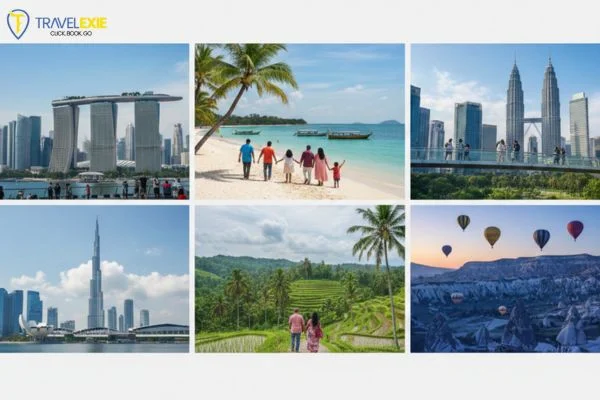
  • Singapore
  • Malaysia
  • Thailand
  • Dubai
  • Bali
  • Turkey

Now, let’s break down why each destination works so well.

1. Singapore – Safe, Clean, and Perfect for Kids

Why families love it
Everything is organized, stroller-friendly, and designed for children.

Best places to visit

  • Universal Studios
  • Sentosa Island
  • Singapore Zoo
  • Gardens by the Bay

Estimated budget:


₹1,20,000 – ₹1,60,000 per person (4–5 days)

If you’re new to foreign travel, it helps to understand visas better. You can check our Schengen visa guide for Indians, which explains documents and timelines clearly.

2. Malaysia – Great Mix of City, Nature, and Theme Parks

Malaysia gives you a balanced trip without long flights.

Where families love to go

  • Kuala Lumpur
  • Langkawi
  • Genting Highlands
  • Sunway Lagoon

Estimated budget: 


₹95,000 – ₹1,30,000 per person

It’s easy on the wallet and full of activities for both kids and adults.

3. Thailand – Short Flights and Easy Food Options

This is one of the most practical countries for Indian families.

Ideal places

  • Phuket
  • Krabi
  • Bangkok
  • Chiang Mai

Estimated budget: 


₹85,000 – ₹1,20,000 per person (5–6 days)

Thailand offers the best value when you’re travelling with a larger group.

4. Dubai – Modern, Safe, and Very Family-Friendly

Dubai is perfect if you prefer a structured holiday.

Family favourites

  • Dubai Parks & Resorts
  • Burj Khalifa
  • Desert Safari
  • Dubai Aquarium
  • Global Village

Estimated budget: 


₹1,20,000 – ₹1,55,000 per person

Dubai remains one of the safest international family holiday destinations for Indian travellers.

5. Bali – Calm, Scenic, and Relaxing for All Ages

If your family prefers nature and slow-paced travel, Bali works beautifully.

What to explore

  • Rice terraces
  • Waterfalls
  • Beaches
  • Cultural shows
  • Private pool villas

Estimated budget: 


₹1,10,000 – ₹1,50,000 per person

It’s a great choice for families that enjoy peaceful surroundings.

6. Turkey – History, Food, and Easy Sightseeing

Turkey blends culture, landscapes, and simple day trips.

Top places

  • Istanbul
  • Cappadocia
  • Antalya
  • Pamukkale

Estimated budget: 


₹1,30,000 – ₹1,60,000 per person (6–7 days)

If your family enjoys history and unique experiences, Turkey is a solid pick.

How to Choose the Best Destination for Your Family

Here’s a quick cheat sheet:

  • Short flight: Thailand, Singapore, Malaysia, Dubai
  • Best for small kids: Singapore, Dubai
  • Best for teens: Thailand, Turkey
  • Best for nature: Bali, Malaysia
  • Best for culture: Turkey, Bali

Choose based on what your family enjoys most, not just budget.

Average Family Trip Budget (Per Person)

DestinationBudget (₹)
Thailand85,000 – 1,20,000
Singapore1,20,000 – 1,60,000
Malaysia95,000 – 1,30,000
Dubai1,20,000 – 1,55,000
Bali1,10,000 – 1,50,000
Turkey1,30,000 – 1,60,000

Simple Tips for Planning a Family Trip

  • Keep a relaxed itinerary

Kids get tired quickly, so avoid packing too many activities.

  • Book flights early

Family flight prices jump suddenly, especially during school holidays.

  • Choose stays near attractions

This saves travel time and keeps kids comfortable.

  • Check visa timelines early

Some destinations offer visa-free or visa-on-arrival entry.

  • Pack essentials separately

Snacks, medicines, and a small day bag make city tours easier.

Final Thoughts

The best international family holiday destinations for Indians in 2025 are the ones that balance comfort, safety, and experiences everyone can enjoy. Pick a destination that matches your family’s interests, keep your plan simple, and the entire trip will feel smoother.


Scenic Europe travel collage featuring Paris, Switzerland, Venice, and iconic landmarks, representing a custom Europe trip from India.

How to Plan a Custom Europe Trip from India: Itinerary, Budget, and Local Tips

Planning a European trip is exciting, but here’s the truth: the best itineraries rarely come from one-size-fits-all templates. A custom Europe trip lets you control the pace, budget, and vibe of your holiday so you can actually enjoy every moment instead of rushing through cities.

Let’s walk through how to shape a solid plan from India without getting overwhelmed.

1. Pick the Countries That Fit Your Travel Style

Europe has too many choices, so the smartest move is to start with a theme.
Do you want history, food, nightlife, road trips, or a mix?

A few proven combo routes:

  • France, Switzerland, Italy
  • Germany, Austria, Czech Republic
  • Spain, Portugal
  • Netherlands, Belgium, France

If you want ideas based on popular routes, you can browse the Europe Holiday Packages on Travelexie. It helps you shortlist destinations before customizing the final itinerary.

2. Create a Realistic Day-by-Day Itinerary

What this really means is: stop trying to squeeze five countries into seven days.
Give yourself breathing room.

A reliable structure:

  • 2 to 3 nights per city
  • Maximum of two long train rides per week
  • One buffer day if your trip exceeds ten days

Sample 10-day flow:

  • Paris: 3 nights
  • Lucerne: 3 nights
  • Venice: 2 nights
  • Rome: 2 nights

This setup keeps the sightseeing enjoyable and cuts unnecessary travel stress.

3. Understand the Budget Before Booking Anything

Indians planning Europe trips often underestimate two things: local commute and meals.
Here’s a rough guide for a comfort-level custom trip:

  • Flights from India: ₹45,000 to ₹75,000 (season-dependent)
  • Hotels: ₹8,000 to ₹18,000 per night
  • Intra-Europe trains: ₹4,000 to ₹12,000 per route
  • Daily meals: ₹2,000 to ₹4,000 per person
  • Local attractions: ₹2,000 to ₹6,000 per day

For couples and families, booking everything in a single customised plan usually keeps the budget tighter than handling dozens of bookings separately.

4. Choose Smart Transport Options

Europe works beautifully if you mix trains, short flights, and local passes.

  • High-speed trains save time between capital cities
  • Budget flights help when distances are large
  • City passes reduce the cost of attractions and local transport

Make sure you check the city-to-city distance before finalising your stay lengths.

5. Book Hotels Near Public Transport

This single decision can completely change your trip experience.
Hotels near metro stations or tram lines save money and cut the amount of walking you do with luggage.
Plus, reaching attractions becomes much easier.

6. Add Local Experiences Instead of Only Tourist Spots

A custom Europe trip should feel personal. Try adding:

  • A wine-tasting session in Italy
  • A river cruise in Paris
  • A thermal spa in Budapest
  • A sunset viewpoint in Lisbon

These experiences make the trip feel richer without breaking the budget.

7. Handle Visa and Travel Essentials Early

You’ll need a Schengen visa, a valid passport with two blank pages, return flight bookings, hotel confirmations, travel insurance, and bank statements.

 Start the process at least 30 days before departure so you don’t deal with last-minute delays.

8. Keep a Backup Plan for Weather Delays

Europe’s weather changes quickly, so it’s good to have a couple of indoor options ready. Think museums, markets, or cafés. This way your day stays enjoyable even if the weather shifts.

Final Thoughts

A custom Europe trip from India gives you the freedom to explore at your own pace while still keeping the plan organized. Focus on a balanced itinerary, smart travel choices, and a few personal experiences, and the whole journey feels smooth and memorable. If you want help shaping a personalized route or need support with visas and bookings, you can always reach out through our contact page.


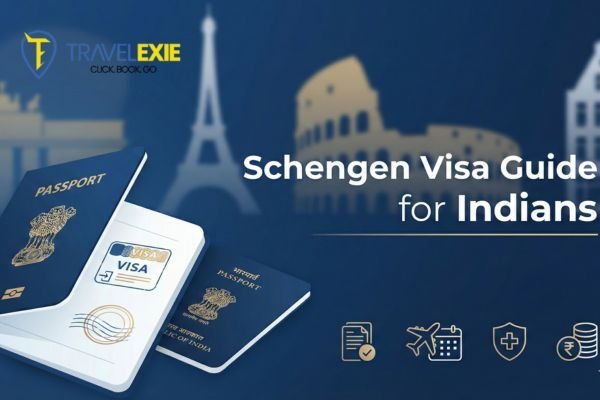
image showing an Indian passport, Schengen visa stamp, and European travel icons, designed for a blog on Schengen visa requirements for Indian travelers.

Schengen Visa Guide for Indians: Requirements, Fees, Documents & Approval Tips

A Schengen visa lets Indian citizens travel to 27 European countries for short stays (up to 90 days in any 180 days). To apply, you need a valid passport, travel insurance, proof of funds and accommodation, and an itinerary. The visa fee is around €80–90 plus VFS service. Apply 30–60 days before travel, prepare all documents carefully, and craft a strong cover letter to improve approval chances.

What Is a Schengen Visa?

  • It allows free movement across member states with a single visa.
  • The Schengen area includes most EU countries and some non-EU states.
  • For Indians, it’s usually a short-stay visa (Type C), valid for up to 90 days within any 180-day window.

Schengen Visa Requirements for Indians

Here are the key eligibility requirements you need to meet to apply for a Schengen visa from India.

Valid Passport

  • Your passport should be valid for at least six months beyond your planned departure from the Schengen area.
  • It should have at least two blank pages.

Visa Application Form

  • Complete the official Schengen visa application form for the country you’re applying to.

Photographs

  • Passport-size photos as per Schengen guidelines

Travel Itinerary

  • Confirmed flight reservations (round trip) or proof of onward journey.
  • Hotel bookings or an invitation letter from a host in Europe.

Travel Insurance

  • Mandatory: Must cover all Schengen countries for your entire trip.
  • Minimum coverage: €30,000 for medical emergencies.

Financial Means

  • Bank statements, income tax returns, or proof of fixed deposits.
  • Sometimes a “sponsor” letter if someone in Europe is supporting your trip.

Cover Letter

  1. Explain the purpose of your trip, your day-by-day itinerary, and why you will return to India

Proof of Ties to India

  • Documents showing a job, business, property, or family in India to prove you’ll return.
  • Some embassies may require a No Objection Certificate (NOC) from the employer.

Costs & Fees for Schengen Visa (India)

Understanding costs is important. Here’s a breakdown of what you’ll likely pay when applying for a Schengen visa from India (as of 2025):

ExpenseTypical Cost for Indian Applicants
Schengen Visa Fee€80–90 for adults (12+ years): ~₹7,200–₹9,100 
VFS / Service Charges~₹1,500–₹2,800 (varies by country and centre) 
Biometric Enrollment~₹600–₹1,000 (if required) 
Courier / Passport ReturnOptional: ~₹700–₹1,200 
Premium VFS LoungeOptional: ~₹3,500–₹5,000 
Travel InsuranceDepends on policy; should cover €30,000 minimum 

Note: These fees can change, and many are non-refundable even if your visa is rejected.

Document Checklist: What to Submit

Here’s a consolidated list of all the documents you typically need for a Schengen visa application (for Indians):

Additional documents as per the embassy (for example, for students or business travellers)

  • Passport (valid + blank pages)
  • Completed visa application form
  • Passport-sized photographs
  • Flight reservation
  • Hotel booking or invitation letter
  • Travel insurance certificate (≥ €30,000)
  • Bank statements/financial proof
  • Income Tax Returns (ITR) or salary slips
  • Cover letter/trip itinerary
  • Proof of employment or business (salary certificate, company letter)
  • Proof of residence in India (utility bills, property papers)
  • Additional documents as per the embassy (for example, for students or business travellers)

Tips to Improve Your Schengen Visa Approval Chances (for Indians)

To maximize your chances of getting approved, follow these expert (and E-E-A-T backed) tips:

Apply Early

  • Book your visa appointment 30–60 days before travel. Waiting too long means a last-minute rush and risk of rejection.

Be Honest & Consistent

  • Write a clear cover letter with realistic details.
  • Ensure your travel itinerary matches your financial capacity.
  • Keep your documents truthful — inconsistency can lead to rejection.

Strong Financial Proof

  • Submit 3–6 months of bank statements.
  • If someone sponsors your trip, provide a sponsor letter + their bank statements.

Travel History Helps

  • If you’ve travelled abroad before (especially to visa-friendly countries), mention it.
  • Provide old visas and stamped passports as proof.

Careful with VFS Optional Services

  • You don’t need a premium lounge, courier, or SMS tracking unless it’s essential.
  • However, ensure that you pay all mandatory service and biometric fees properly.

Prepare for an Interview

  • Some embassies may call you in for an interview (especially for France, Germany).
  • Be ready to answer questions about your trip, income, and intent to return.

Double-Check Everything

  • Before submitting, ensure your application form, passport, and supporting documents are all filled out correctly.
  • Small mistakes (dates, names) can cause delays or rejections.

Why Use Travelexie for Your Schengen Visa?

At Travelexie, we specialise in providing fast, reliable visa support for Indians travelling to Europe. Our visa services include:

  • 🎓 Student Visa
  • 🧳 Tourist Visa
  • 💼 Business Visa
  • 🏢 Corporate Visa
  • 👨‍👩‍👦 Sponsor Visa
  • 📅 VFS Appointment Assistance
  • ⚡ Fast-Track Visa Processing

We guide you on the required documents, help you book appointments, and ensure everything is in place to maximize your success.
Explore more on our Visa Services page to start your application with confidence.

Common Pitfalls to Avoid ❌

  • Submitting incomplete or conflicting documents
  • Applying too close to your travel date, less than 15 working days, is risky.
  • Weak cover letter without a clear travel plan
  • Insufficient or unverified proof of funds
  • Choosing expensive optional services without matching benefits
  • Not having valid travel insurance for the full duration and all countries

Final Thoughts

Applying for a Schengen visa from India with the right documents, enough financial proof, and a well-prepared application, increases your chances of success way up. Use the tips above, and consider professional help, such as Travelexie, to streamline your process. Once approved, you’ll be free to explore the breathtaking countries of the Schengen zone — with peace of mind.


Pleasant summer day in Europe with historic streets and travellers exploring.

Best Time to Visit Europe from India: Weather, Budget, Crowd Level (2026)

The best time to visit Europe from India is April to June and September to October. These months offer pleasant weather, moderate crowds, and better flight and hotel prices. 

Summer (July–August) is ideal for beaches, but it can be expensive. Winter (November–March) is best for Christmas markets and skiing.

Best Months at a Glance

April to June (Late Spring / Early Summer)

  • Comfortable temperatures
  • Bright landscapes and outdoor-friendly days
  • Fewer tourists compared to the peak July–August

September to October (Early Autumn)

  • Warm weather in southern Europe
  • Cheaper hotels after the summer holidays
  • Great for food tours, wine regions, and city sightseeing

July–August (Peak Summer)

  • Best for beaches, islands, and festivals
  • Highest prices
  • Maximum crowd levels in major cities

November to March (Winter)

  • Budget-friendly for most cities
  • Amazing for skiing in the Alps
  • Beautiful Christmas markets
  • Shorter days and colder temperatures

How to Choose: Weather vs Budget vs Crowds

If you want the best weather

Choose June or September. These months offer long days and comfortable temperatures.

If you want to save money

Go for April, May, October, or November.
Flight prices and hotel rates drop compared to summer.

For more budget-friendly guidelines, you can explore our holiday packages, which include recommended seasonal itineraries.

If you want fewer crowds

Visit Europe in April–June or September–October.
You’ll enjoy famous landmarks without the overwhelming queues.

Region-by-Region Breakdown

Mediterranean (Italy, Spain, Greece)

  • Best: April–June, September–October
  • Why: Warm weather without the August rush

Northern Europe (Scandinavia, Baltic)

  • Best: May–September
  • Northern Lights: November–March

Central Europe (France, Germany, Czech Republic)

  • Best: April–June, September–October
  • Ideal for walking tours, museums, and cafés

Alps (Switzerland, Austria)

  • Winter: Skiing
  • Late Spring & Early Autumn: Hiking, scenic views

Flight & Booking Tips for Travellers from India

  • Book 6–12 weeks in advance for the best fares
  • Avoid booking summer trips last-minute
  • Check multiple airports (e.g., Milan instead of Zurich)
  • Use alerts on flight search engines
  • Apply for visas early to avoid delays or date changes

Smart Ways to Save on Your Europe Trip

  • Travel mid-week for cheaper airfares
  • Mix high-demand cities with quieter towns
  • Choose shoulder months for better hotel deals
  • Use regional trains and budget flights inside Europe

7-Point Quick Planning Checklist

  1. Pick your travel month based on weather + price
  2. Compare flights using month-view tools
  3. Start your visa application early
  4. Book popular attractions in advance
  5. Check local festivals and holidays
  6. Pack layered clothing for shoulder seasons
  7. Match your route to the weather (e.g., Greece in May, Paris in September)

Conclusion

If you want the perfect balance of comfort, cost, and crowd levels, the best time to visit Europe from India is April–June or September–October. These months offer pleasant weather, affordable bookings, and relaxed sightseeing. Choose summer only if you want beaches and festivals. Visit in winter for snow, skiing, and festive charm.
Plan early, compare fares smartly, and choose a season that suits your travel style. That’s how you build the perfect Europe trip for 2026.

image of a confident solo female traveler exploring scenic landscapes, symbolizing empowerment and independence

Solo Travel for Women: Empowering Journeys and Safety Tips

Solo travel for women is completely safe and empowering when planned right. Start by researching destinations known for safety, book verified accommodations, share your itinerary with a trusted contact, and stay aware of your surroundings.
The essentials: trust your instincts, travel light, keep digital backups of documents, and choose local experiences that respect cultural boundaries.

“Confidence and preparation are your strongest travel partners.”

Why More Women Are Choosing Solo Travel

Here’s the thing: Solo travel isn’t just about sightseeing. For many women, it’s a journey of independence, confidence, and self-discovery. Whether it’s exploring Bali’s beaches, hiking in the Swiss Alps, or wandering through Jaipur’s markets, solo trips teach you how capable you really are.

Travel experts and platforms like Travelexie have witnessed a steady increase in solo female travelers over the past few years, which is proof that women are claiming their freedom to explore the world on their own terms.

The Foundation of a Safe Trip

Before anything else, research your destination. Look for countries and cities that consistently rank high on women’s safety indexes and have strong tourism infrastructure.

What to do before booking:

  • Read traveler reviews (especially from solo women).
  • Check local customs and dress codes.
  • Map nearby hospitals and police stations.
  • Book hotels with 24-hour front desks and verified guest reviews.

Travelexie Tip:
If you’re planning your first solo international trip, start small. Visit Travelexie’s affordable international packages — several destinations are beginner-friendly for solo women.

Safety First: Habits That Make a Difference

Safety isn’t paranoia — it’s preparation. A few smart habits can make a world of difference:

  • Share your live location with someone you trust.
  • Avoid oversharing your exact plans on social media.
  • Keep emergency numbers on speed dial.
  • Carry a small safety tool or alarm if local laws allow.
  • Stay in well-lit areas after dark and trust your gut if something feels off.

Pro Tip: Save digital copies of your passport, insurance, and ID in a secure cloud folder. Losing documents abroad can be a nightmare, and this one step saves you from it.

Confidence Through Preparation

Confidence doesn’t mean fearlessness — it comes from knowing you’re ready for any situation. Pack with intention: comfortable clothes, a power bank, and a basic first-aid kit. Learn a few local phrases, especially for directions and emergencies.

Many solo female travelers say that having an organized plan for the first two days of a trip helps them settle in faster and reduces anxiety.

Choose Destinations That Welcome Solo Women

Some countries are naturally easier and safer for solo women due to infrastructure and community culture.

Top destinations for first-timers:

  • Thailand (easy transport, friendly locals)
  • Japan (exceptionally safe and organized)
  • Portugal (solo-friendly, English-speaking)
  • Singapore (clean, safe, efficient)
  • India’s Kerala or Himachal regions (for scenic solo retreats)

Want to plan a similar experience? Explore Travelexie’s curated destinations that balance culture, safety, and adventure.

Staying Connected: Digital Tools That Help

  • Google Maps offline mode: Saves you if data drops.
  • TripIt or Notion: For keeping your travel plans in one place.
  • WhatsApp live location: Keeps loved ones updated.
  • Travel insurance apps: Quick claim access if something goes wrong.

And if you ever feel unsure, remember reaching out for help isn’t weakness — it’s smart travel.

Mindset Matters: Enjoying the Freedom

Solo travel for women isn’t just about logistics — it’s about mindset. When you travel alone, you meet new people, make your own schedule, and reconnect with yourself. You learn to trust your judgment and celebrate independence without apology.

Many travelers describe it as one of the most life-changing experiences they’ve ever had.

Connect, But Stay Selective

Engage with locals and fellow travelers, but stay mindful. Choose group tours or meetups with verified organizers. Apps like Meetup or Airbnb Experiences can be great for finding safe, structured social settings.

Final Thoughts: Travel Alone, But Never Lonely

Solo travel for women isn’t about isolation — it’s about self-growth and empowerment. The world isn’t as dangerous as fear suggests, but it rewards those who prepare and stay aware.

If you’ve been waiting for a sign to take your first solo trip, this is it. Start planning your journey with Travelexie — offering luxury and affordable travel packages. Explore the world with confidence, safety, and a true sense of self.


Woman traveler with small dog in pet carrier at airport, beside organized luggage and visible boarding pass, ready for stress-free pet travel

Traveling with A Pet: Tips for a Smooth Journey 

  • What this post covers: Practical steps for traveling with a pet — how to plan the trip, handle paperwork, follow safety and crate rules, prepare for airline and border checks, manage road trips, and complete a pre-travel vet checklist.
  • Quick checklist: ID + microchip, health certificate, vaccinations, airline crate (IATA rules), travel kit (food, meds, water), contact local vets at destination.
  • Bottom line: Start planning 6–8 weeks before travel for international trips; for domestic trips, book and confirm pet rules with your carrier at least 2–3 weeks in advance.

Before you book: confirm rules and restrictions

Here’s the thing: every airline and every country have different rules. Some airlines allow small dogs and cats in the cabin if they fit under the seat; others require checked/cargo transport. For international travel, countries often require specific vaccines, microchips, and endorsed health certificates and some need export or import permits. Always check the airline’s pet policy and the destination’s requirements before you buy tickets

Action: Call the airline and ask:

  • Cabin vs cargo rules for your pet’s breed and size
  • Crate dimensions required and live-animal paperwork (IATA LAR references)
  • Fees and any seasonal restrictions

2. Paperwork that often trips people up

  • Health certificate issued by a licensed vet (many destinations require it within a narrow time window).
  • Proof of rabies and other vaccinations (check country-specific rules).
  • A microchip that meets ISO standards for international travel — very commonly required.
  • For travel to or via the United States, the CDC Dog Import Form and other rules now apply for many dogs; know the dates and forms.
  • Action: Contact a USDA-accredited / government-approved vet (or your country’s equivalent) as soon as you know travel dates. They’ll schedule tests and sign official forms.

3. Crate rules, comfort, and IATA standards 

Airlines and ground handlers follow IATA Live Animals Regulations (LAR) for safe, humane transport. Crate sizing, ventilation, and labeling rules come directly from IATA; noncompliant crates risk refusal at check-in. For larger animals, individual crating is mandatory; for small pets, only certain carriers are accepted in-cabin. 

Action: Buy an airline-approved crate that:

  • Allows your pet to stand, turn, and lie down comfortably
  • Is rigid, secure, and labeled with your contact details and “Live Animal” stickers
  • Meets the dimensions your airline specifies

4. Health & safety: prepping your pet

Take your pet to the vet 2–4 weeks before departure for a travel check. Ask for:

  • Travel health certificate (timing matters)
  • Medication refills and sedation advice (most vets discourage sedating pets for flight)
  • Microchip check and update contact details

Pack a pet first-aid kit and copies of all medical documents. If your pet has a chronic condition, carry a vet’s letter explaining medication and care.

5. Road trips vs air travel

Road trips are generally lower-risk for many pets. Secure them with crates or crash-tested harnesses and never leave them in a parked car. For flights, keeping small pets in-cabin is better for many animals; cargo is OK for some breeds but comes with higher stress and risk. Always hydrate, avoid feeding right before travel, and schedule frequent stops on long drives. 

Action: For car travel:

  • Use a crate or crash-tested restraint
  • Bring familiar bedding and toys
  • Stop every 2–3 hours for bathroom breaks and water

6. International border crossings

International moves require more lead time. Some tests or blood draws must be done weeks or months before travel. Start the process 6–12 weeks ahead, depending on destination rules, and verify whether your destination requires a government endorsement on the health certificate (for example, USDA endorsement for U.S. exports). 

Action: Create a document timeline: vaccination dates, test windows, export endorsements, and flight date — check these off as they’re completed.

7. On the day of travel: calm, safe steps

  • Keep your pet calm with familiar items and a light meal 3–4 hours before travel.
  • Arrive early at the airport. Live-animal check-in takes extra time and may require additional forms.
  • For connecting flights, verify that layover airports accept live animals in transit.

8. Backups and insurance

Get pet travel insurance or ensure your existing pet insurance covers travel-related care. Also, map emergency vets at your destination and save their contacts in your phone and on paper.

Why these matters

I’ve helped dozens of travelers plan pet-friendly trips and coordinated with vets and carriers. Here’s what actually prevents stress and last-minute cancellations: paperwork, crate rules, and realistic expectations about where your pet can travel in the cabin vs cargo.

Internal link 👇

  • Looking for budget-friendly international packages, you can take your pet on? See our top picks.
  • Want Travelexie to build a custom pet-friendly trip? Contact us.

Summary

Traveling with your pet doesn’t have to be stressful if you plan early and follow the right steps. From airline paperwork and crate rules to vet checks and international border prep, being organized keeps your trip smooth and safe. Confirm travel rules, get your health certificates on time, and prepare your pet’s essentials well in advance — that’s how you ensure a comfortable journey for both of you.


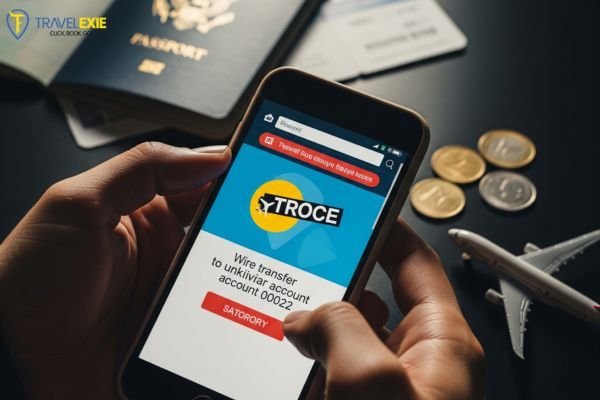
Hands holding a smartphone displaying a "scam alert" message over a travel backdrop with passport, plane, and coins, symbolizing online travel fraud.

Travel Scam Alerts: How to Spot Tour Operator Frauds and Stay Safe ✈️🚨

What is a travel scam 🧭

A travel scam is any fraud that targets travelers — from fake tour operators and lookalike booking sites to taxi and guide scams. Tour operator fraud specifically means someone selling a trip, tour, or service that doesn’t exist, is misrepresented, or disappears after you pay.

 If a booking or holiday deal asks you to pay by wire transfer, gift card, or crypto, stop. Verify the operator’s official website, call their listed phone number, and pay with a credit card that offers fraud protection. If anything feels rushed, pressured, or “too good to be true,” walk away. 

Why this matters

Scammers are getting sharper. Recently, fake messages pretending to be from big booking platforms have tricked travelers into sharing card details or sending payments off-platform. That can lead to money lost and ruined plans. What this really means is: vigilance before you click or pay will save you time and money. 

Common tour-operator and booking scams to watch for 🎭

  • Phantom bookings — you pay, no reservation exists.
  • Fake agencies — professional-looking sites that aren’t legit.
  • Bait-and-switch — the promised package changes at arrival.
  • Impersonators — messages that pretend to be airlines or platforms asking you to “confirm” payment info.
  • Upfront-only payment requests — insistence on wire transfer, gift cards, or crypto.

Red flags: quick checklist (read before you pay) ⚠️

  • Strange domain names or small misspellings in URLs.
  • No verifiable phone number or address.
  • Pressure to “book now” with reduced time or “only today” language.
  • Requests for payment methods you can’t dispute (wire, gift card, crypto).
  • No written cancellation or refund policy.
  • Poor or no independent reviews beyond the site’s testimonials.

Step-by-step: how to vet a tour operator

  1. Google the operator’s name plus words like “scam,” “review,” or “complaint.” Look beyond the operator’s own site.
  2. Verify the URL — must start with https and match the brand name exactly (watch for small spelling tricks).
  3. Call the phone number on the website. If it goes unanswered or to a generic line, be cautious.
  4. Ask for a written itinerary and the company’s registration or licensing details. Legit operators will share them.
  5. Pay by credit card when possible — it’s easier to dispute fraudulent charges. Avoid untraceable payments.
  6. Use official booking platforms or trusted OTAs only after cross-checking the supplier name. If you’re redirected to a different payment page, pause and confirm with the operator.

At destination: extra safety moves 🧳

  • Keep receipts, reservation emails, and screenshots.
  • Confirm pickup details directly with the operator the day before.
  • Use only licensed taxis and verified guides.
  • If something changes, ask for written confirmation and don’t pay extra until you verify the reason.

If you get scammed — immediate steps 🆘

  1. Contact your card issuer and dispute the charge. Time matters.
  2. File a police report locally and keep a copy. This helps with refunds or insurance.
  3. Report the fraud to your country’s travel authority (for US citizens, see Travel.State.gov).
  4. Report online scams to consumer bodies: in the UK report to Action Fraud, and in other places use official government portals.
  5. Share your experience on review sites so others aren’t caught by the same trick.

How travel companies (and you) reduce risk — practical rules

Here’s the thing: reliable operators publish full contact details, clear T&Cs, and use traceable payments. If you’re booking through an agent, confirm the supplier directly. Travel associations and trade groups publish tips to spot fake booking sites — use those resources before you click pay. 

Example scenarios — short and clear

  • You get an email claiming “your reservation will be canceled unless you pay now” with a link. Don’t click. Contact the platform via its official site or app.
  • A guide offers an “exclusive” private tour, cash-only, with no written agreement. Ask for proof of license and a written itinerary. If none, walk away.

Want help vetting a package? Contact Travelexie 

If you’re unsure about a tour operator or a deal, get an expert second opinion. Visit our Home page or Contact Us to send the details — we’ll check supplier legitimacy and advise payment options. You can also browse safety tips on our Blog.

Final takeaway

Travel scams are preventable when you verify, document, and use dispute-friendly payment methods. Stay skeptical of urgent requests and double-check who you’re paying. Do that and you’ll cut your risk dramatically.

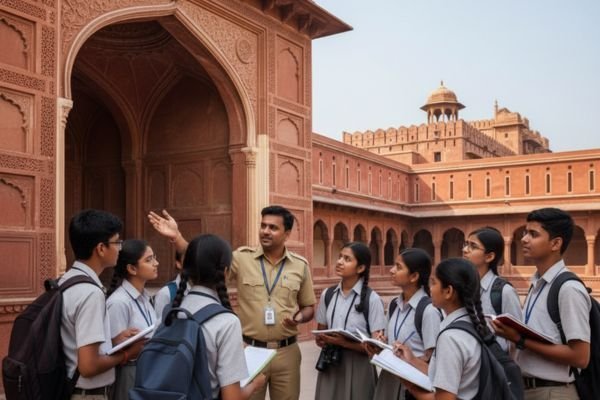
Indian students exploring the Taj Mahal during an educational trip, guided by a teacher, engaging in hands-on learning.

Educational Trips for Students in India: Top Destinations, Itineraries, and Tips

  • Agra (Taj Mahal) — architecture and Mughal history.
  • Ajanta & Ellora — ancient rock-cut art and religious history.
  • Jantar Mantar, Jaipur — hands-on astronomy and heritage science.
  • National Science Centre, New Delhi — interactive STEM exhibits and live shows.
  • Nehru Science Centre, Mumbai — workshops and hands-on labs for school groups.

Partner with a reliable travel agency like Travelexie to handle the logistics, keep the trip on schedule, and make sure everything runs safely from start to finish.

Why educational trips matter?

Here’s the thing: a well-run field trip converts textbook facts into memory. Students retain concepts better when they see and do. For schools, that translates to deeper learning, stronger presentation skills, and more curiosity. If you want help designing learning outcomes tied to the curriculum, Travelexie builds custom school-trip packages that align activities with class topics (domestic tours, international tours, MICE school programs).

Top destinations and why they work

1. Agra — Taj Mahal (history, architecture, conservation)

Great for history and art lessons about Mughal architecture, materials science (stone inlay), and conservation. Use a local guide to explain symbolism and construction techniques.

2. Ajanta & Ellora — ancient art, religions, archaeology

Caves and murals let students study iconography, ancient techniques, and religious pluralism first-hand. Plan a guided tour and an art-study worksheet.

3. Jantar Mantar, Jaipur — astronomy in practice

Students can read instruments, measure angles, and relate observations to basic astronomy lessons. It’s a live example of applied science from the 18th century.

4. National Science Centre, New Delhi — STEM exhibits and shows

Offers interactive exhibits and themed shows (physics demos, super-cold experiments) that are perfect for middle and high school science classes. Check show schedules and book group slots.

5. Nehru Science Centre, Mumbai — hands-on workshops

Regular lab workshops and creative science camps for school groups; useful when your objective is practical lab exposure or STEM engagement. Pre-registration is recommended.

References:

Other valuable stops: museums (Indian Museum Kolkata, Salar Jung Hyderabad), planetariums, ecological field sites (Sundarbans, Western Ghats), and industry visits (manufacturing, film studios, research labs) depending on your learning goals.

Safety, permissions, and practical tips

  • Always carry a list of emergency contacts and photocopies of medicine and IDs.
  • Buy group travel insurance and ask about medical facilities along the route.
  • For overnight trips, confirm accommodation accreditation and staff background checks.
  • Book workshops and entry tickets in advance; many sciences centers limit group size.

Packing list (short)

Essentials only: ID copies, first-aid kit, water bottle, hat, sunscreen, comfortable shoes, printed itinerary, teacher contact list, and a small daily cash allowance for students.

How to make the trip meaningful

  • Set pre-trip goals and assign small research tasks.
  • Use simple rubrics for observation and reporting.
  • Include a short group project or skit to present findings.
  • Capture evidence: photos, sketches, short video clips for later analysis.

Quick FAQ

Q: Can small children handle long drives?

Ans: Keep travel under 4 hours per day for primary students. Break journeys with activity stops.

Q: How far in advance should we book?

Ans: At least 6–8 weeks for workshops and group discounts; 3–4 months for peak seasons or big international trips.

Q: Who handles behaviour and emergency issues?

Ans: The school’s lead teacher maintains discipline; Travelexie provides local support and emergency contacts.